Christopher Heppenstall stepped down as Chairperson and moved into the role of Vice Chairperson. David Salmon was appointed as the new Chairperson, supported by a refreshed committee. This leadership transition marked the beginning of a new chapter for the organisation, with a continued focus on strengthening structure, participation, and long-term development.
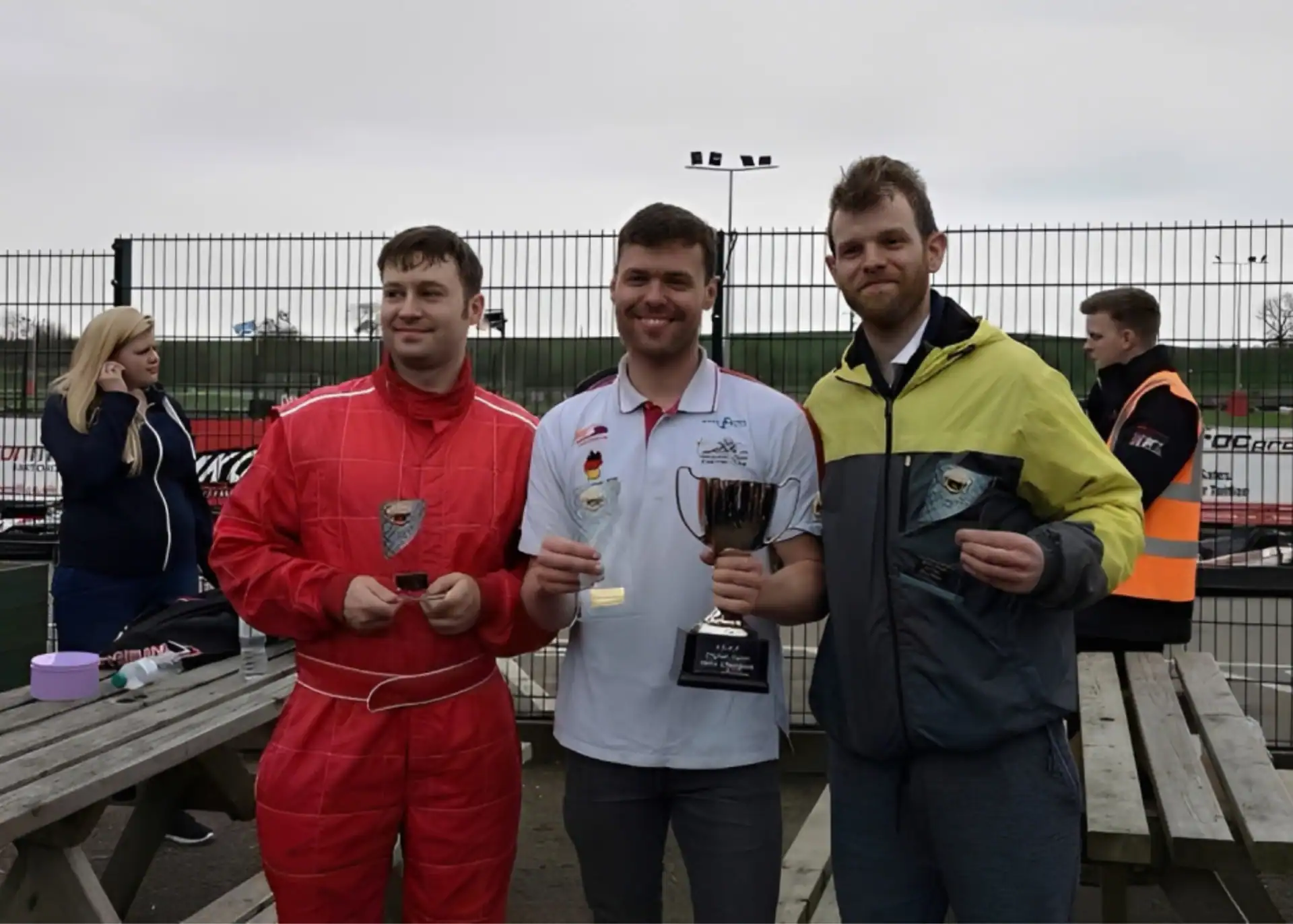
The season featured three main domestic events: the Winter Open, the English Open Deaf Karting Championship, and the British 24-Hour Race. For the first time, the English Open was hosted at Whilton Mill, attracting a strong turnout of drivers and proving to be a successful addition to the domestic calendar. The venue quickly established itself as a key circuit within English deaf karting.
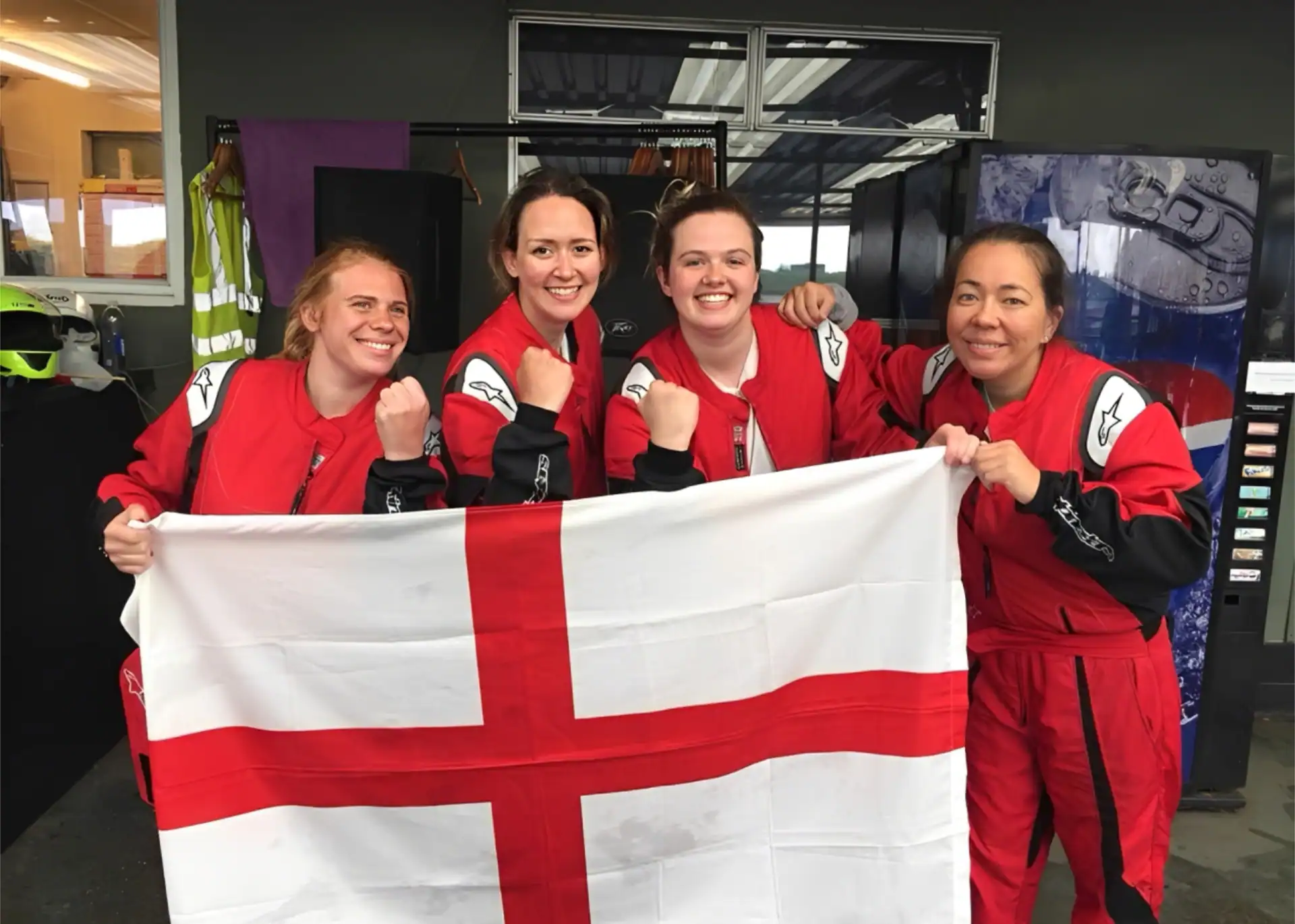
At the British 24-Hour Race, the England Deaf Karting 24-Hour Team (EDK24T) entered two squads, Team A and Team B. Both teams faced ongoing mechanical issues with their karts throughout the event, which significantly impacted their overall performance. Out of 62 teams, EDK24T Team B finished 42nd, while Team A finished 56th. Despite the setbacks, both squads gained valuable endurance experience and continued to develop their racecraft in one of the most demanding events on the national calendar.
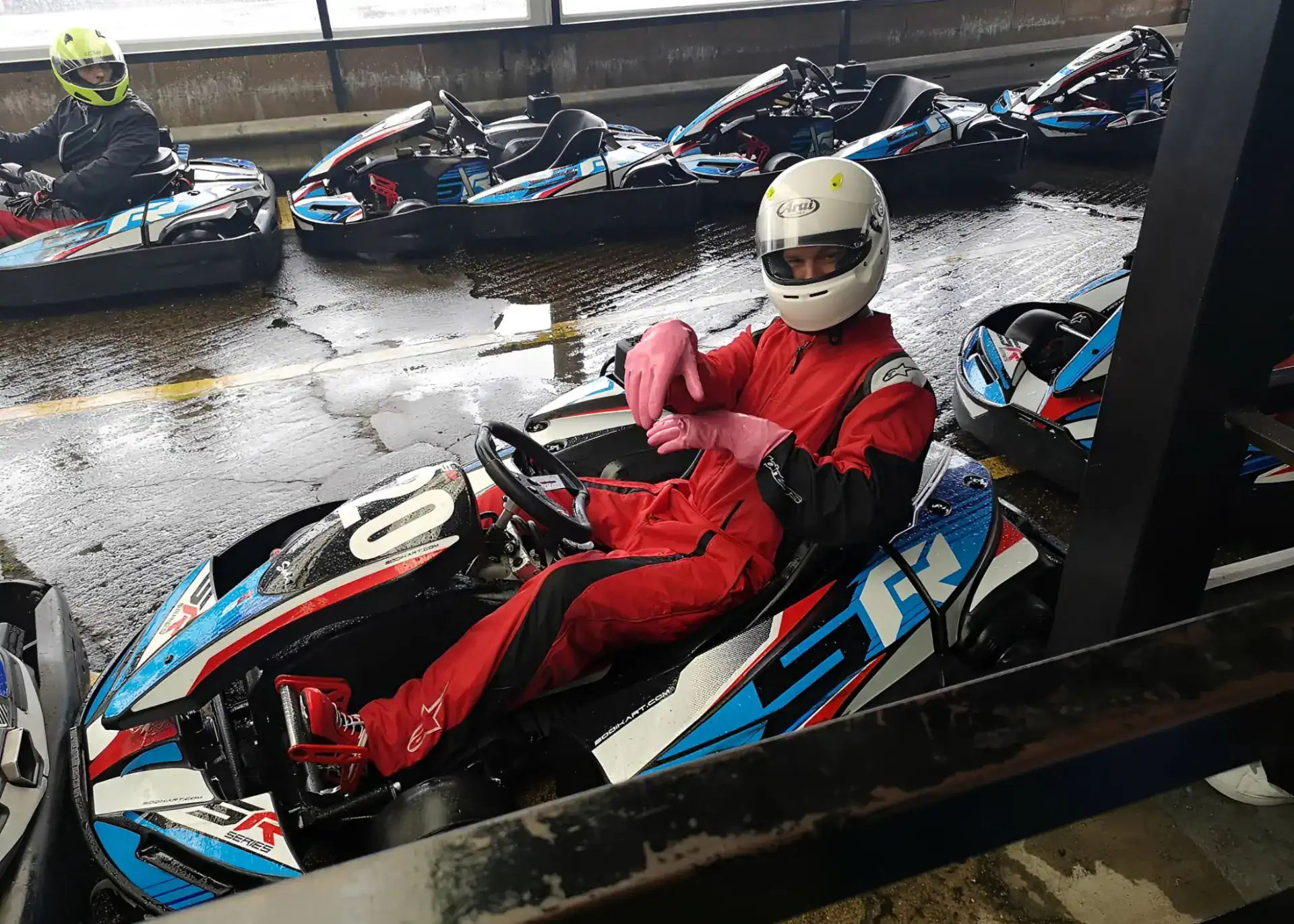
Following the domestic season, David Salmon, Carlo Hunter, and Christopher Heppenstall selected a 16-driver England squad (Team A and Team B) to compete at the European level. The organisation also had the responsibility of hosting the European Nations Deaf Karting Association (ENDKA) Championship at Whilton Mill in England.
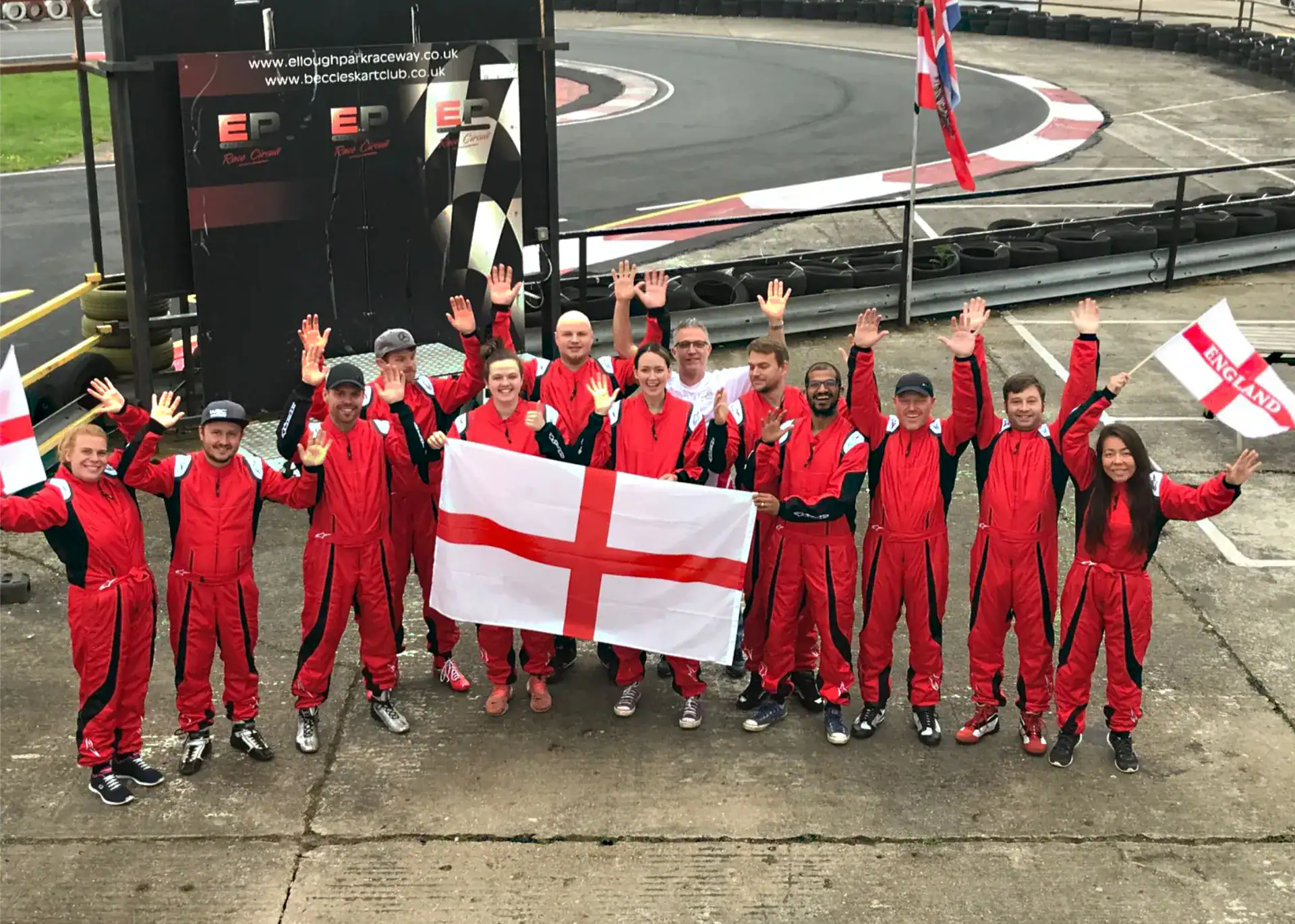
The championship was heavily affected by extreme weather conditions, with persistent heavy rain and flooding across the circuit creating a challenging and unpredictable environment. Despite this, both England teams adapted impressively, demonstrating strong control, consistency, and resilience in difficult conditions against strong European opposition.
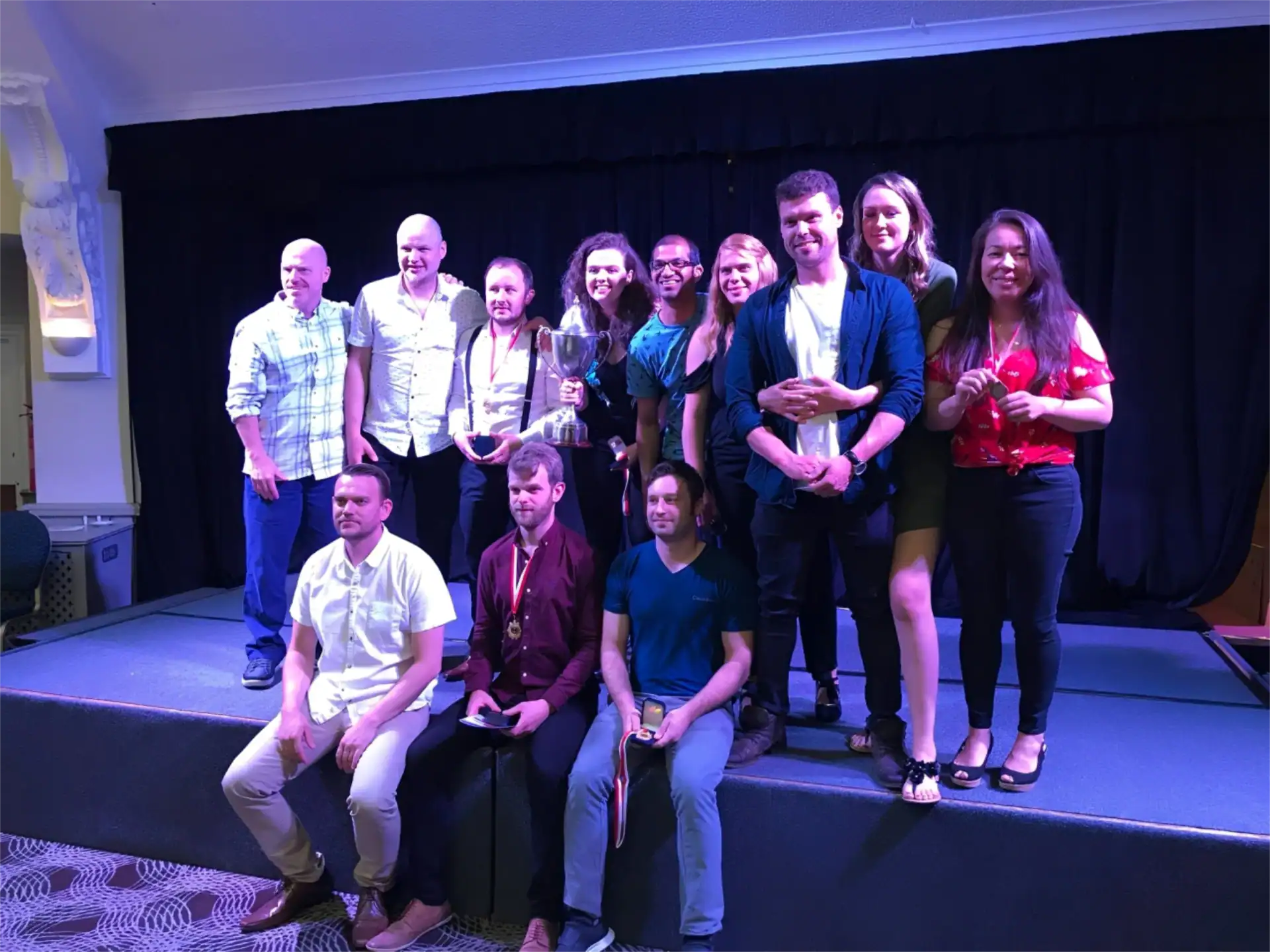
In a standout performance, England were crowned European Champions for the second time in their history, and their first title since the home victory in 2011. The achievement was particularly significant given the weather conditions and the high level of competition, reinforcing England’s position as one of the leading nations in European deaf karting.