
The England Deaf Karting Team was officially renamed the England Deaf Karting Association (EDKA), with David Salmon continuing in his role as Chairperson. Under his leadership, the organisation entered one of its most ambitious and demanding seasons to date, combining major expansion with a strong focus on development across all areas of the sport.
A record programme of five events was introduced during the year, including the Winter Open, English Open, British 24-Hour Race, BPEC 12-Hour Race, and a Ladies Indoor Karting event in London. This marked the first time in EDKA history that such a full and structured calendar had been delivered. The inclusion of a dedicated women’s event also represented a significant step forward for inclusivity and wider participation within deaf motorsport.
The Ladies Open proved to be a major success, attracting 26 female drivers and highlighting growing interest and engagement from women within the sport. It was widely seen as an important milestone in broadening access and encouraging new participation at all levels.
The English Open Deaf Karting Championship was hosted at Teesside Karting for the first time in the organisation’s history. The event attracted around 50 drivers and supporters, making it one of the strongest turnouts in recent years. The new venue proved highly successful and further strengthened Teesside’s position as an important circuit within the EDKA calendar.
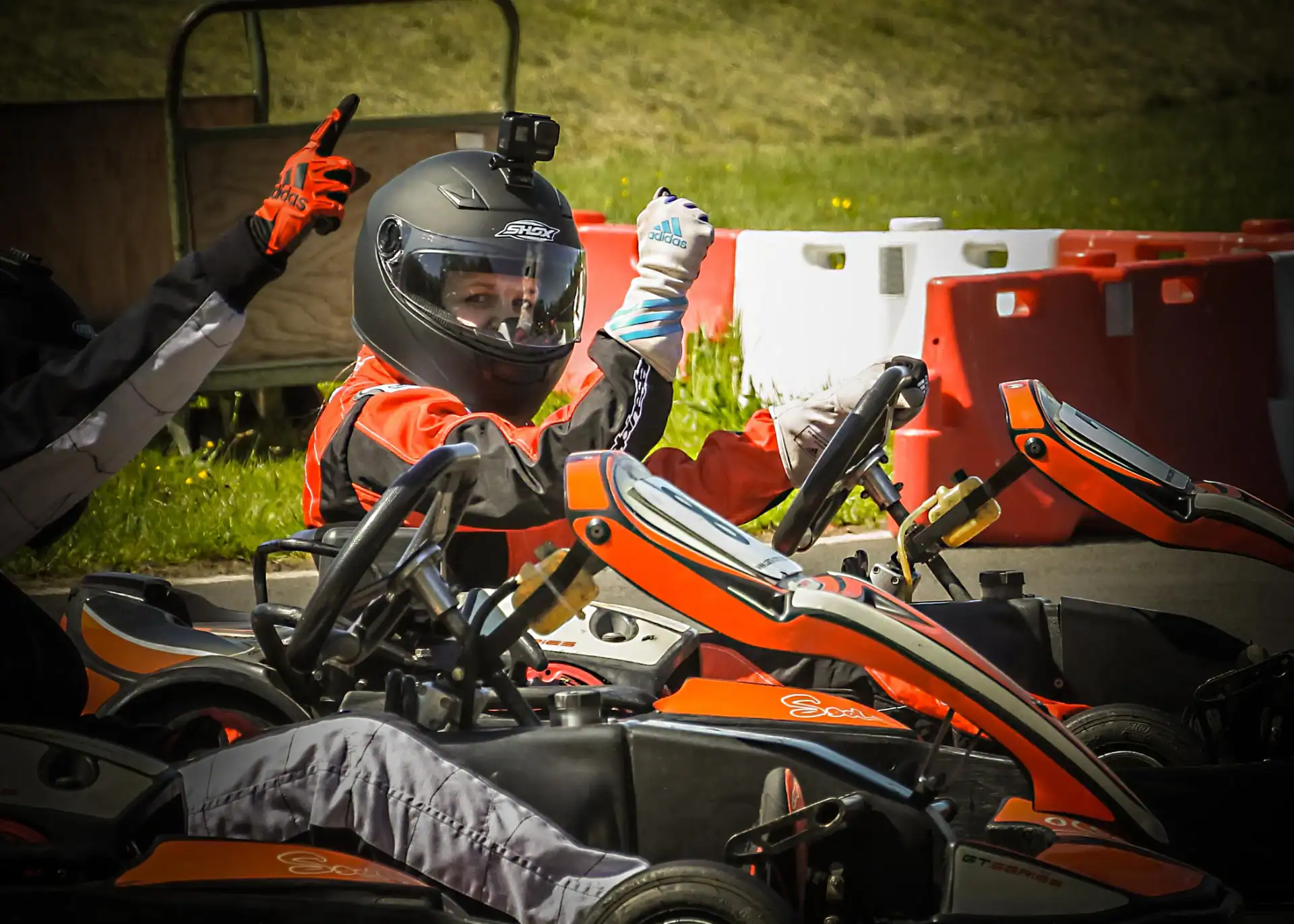
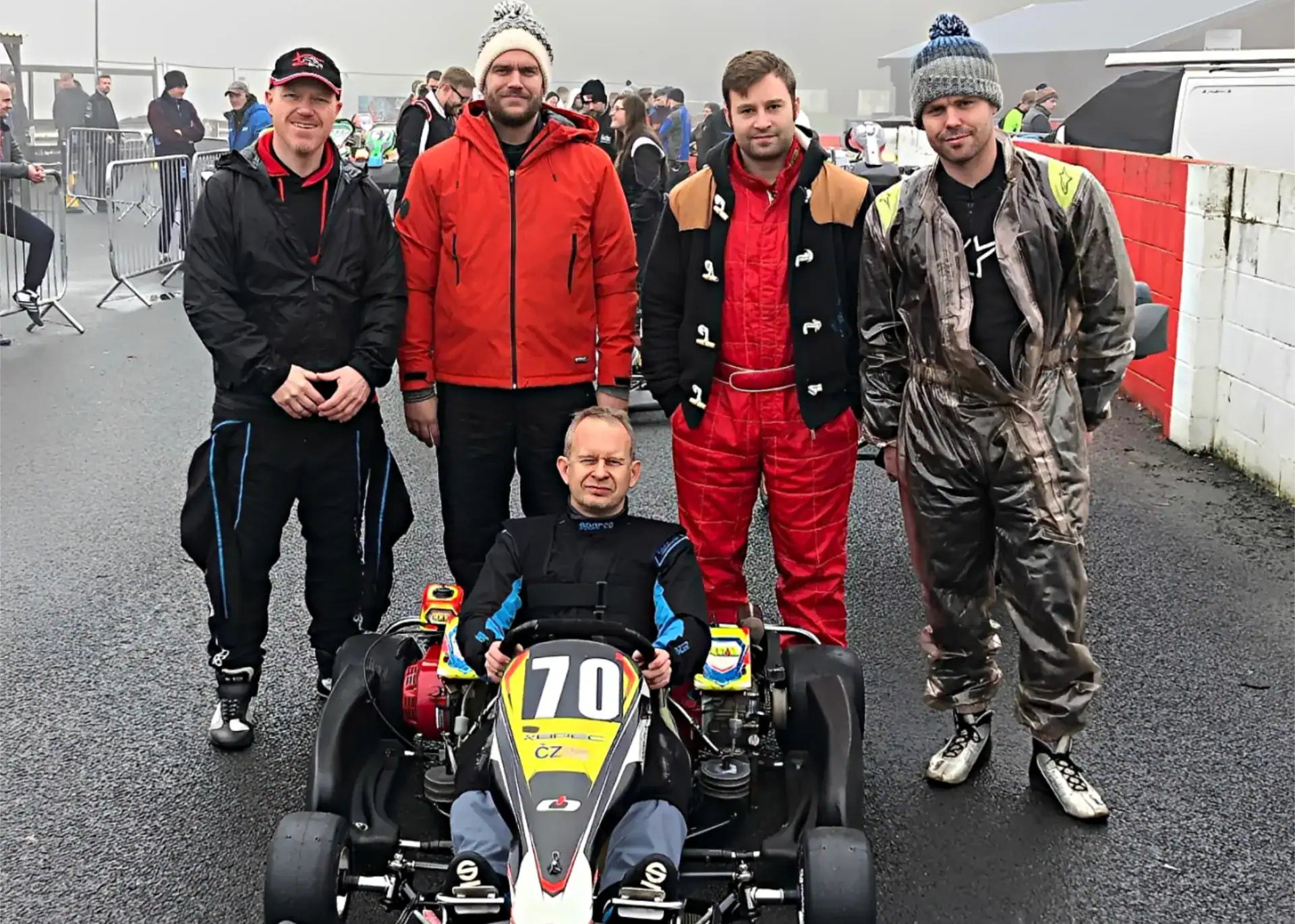
Later in the season, EDK24T delivered its strongest endurance performance to date at the British 24-Hour Race, finishing 17th overall. It was the team’s best result since entering the event in 2017 and reflected clear progress in pace, preparation, and teamwork. The result demonstrated how experience gained over previous years was beginning to translate into consistent improvement in endurance competition.
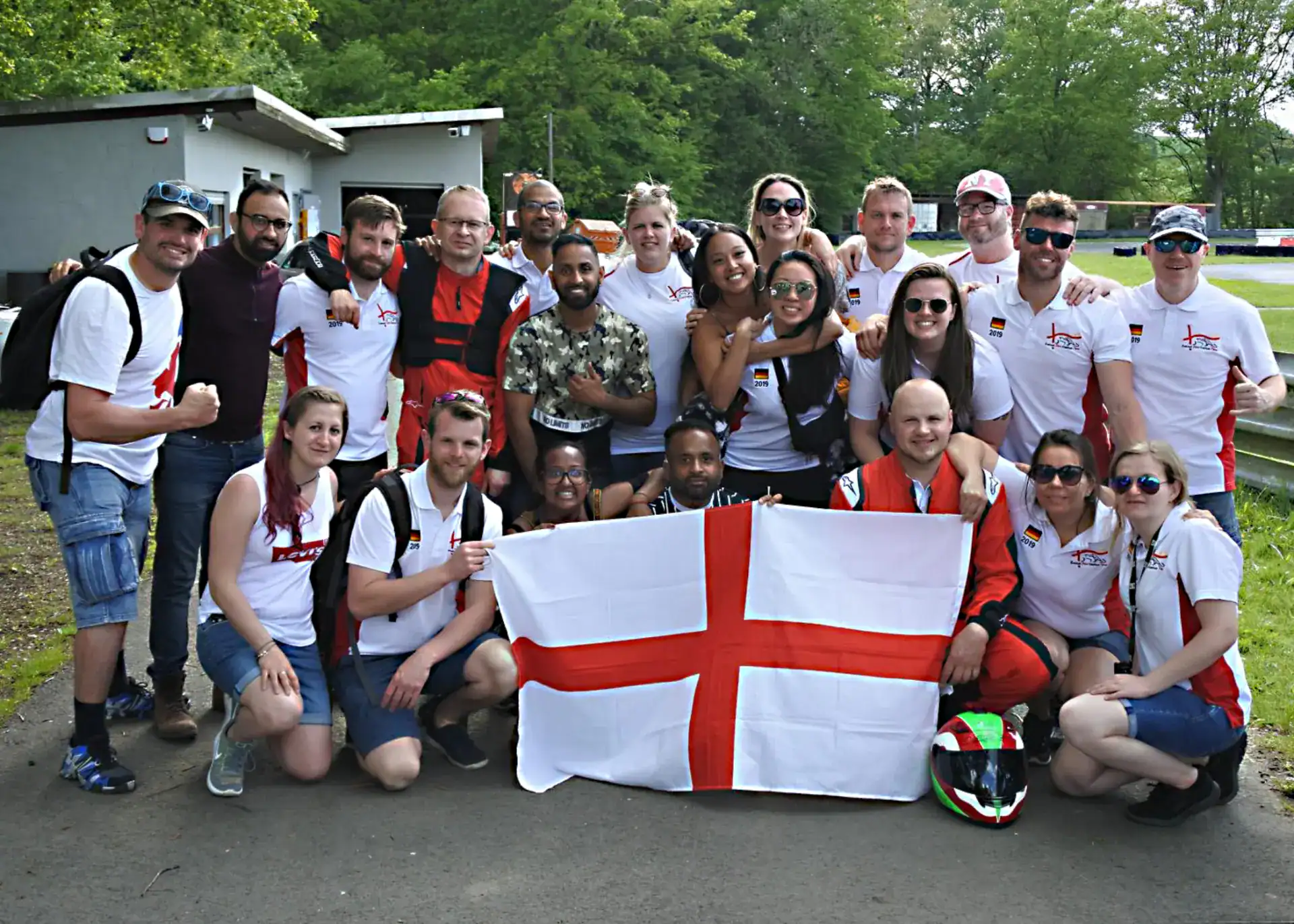
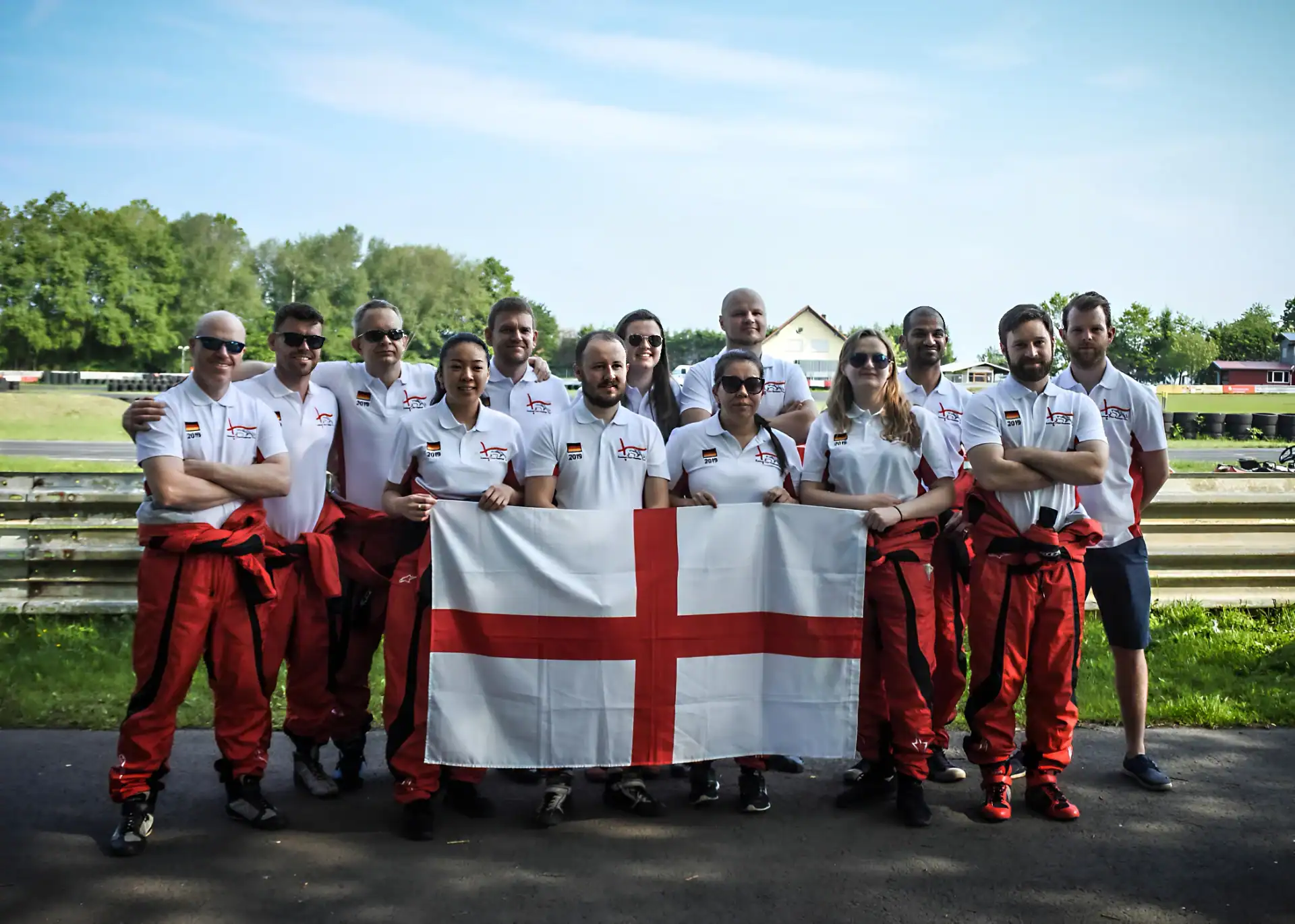
Following the domestic season, David Salmon and Christopher Heppenstall selected a 16-driver England squad, made up of Team A and Team B, to compete at the European Nations Deaf Karting Association Championship in Germany.
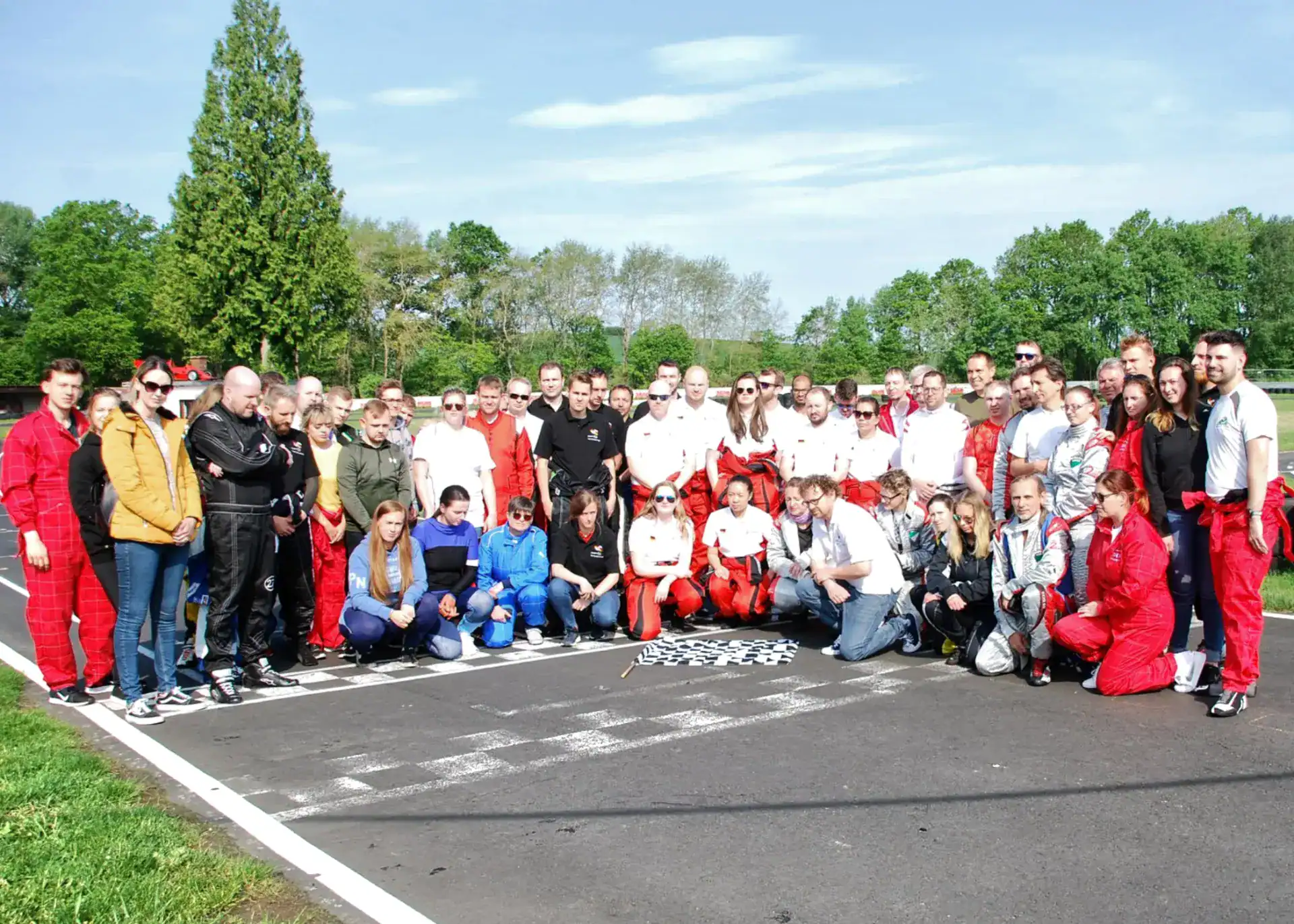
England produced one of their strongest performances in recent years, remaining highly competitive throughout the championship and finishing level on points with Austria in second place. However, Austria was awarded the higher position on countback due to the fastest lap tie-break rule. The outcome was closely contested and sparked discussion within the paddock, with debate surrounding whether the rule fairly reflected overall team performance.
Despite the disappointment of narrowly missing out on second place, England’s performance confirmed their continued status as one of the leading nations in European deaf karting.
Following the championship, discussions were held regarding the future structure and direction of European deaf karting. As a result, the governing body agreed to rename the European championship structure under the England Deaf Karting Association (EDKA) moving forward.