
Carlo Hunter made the important decision to leave the Sussex Deaf Karting Club and begin a new chapter by formally establishing the England Deaf Karting Team. As the founder and first Chairperson, Carlo played a central role in leading the organisation during its formative years and helping shape its long-term direction and identity within deaf motorsport.
The early stages of development were challenging. Technology and resources were limited at the time, with slower computers and no official website or online platforms available to promote events or communicate with the wider deaf community. To raise awareness and encourage participation, Carlo and Jonathan Taylor worked closely together using printed posters, word of mouth, and emails to spread information about the England Deaf Karting Team and invite members of the deaf community to join the English Open event. Their dedication and determination played an important role in helping the organisation gain early recognition and support.
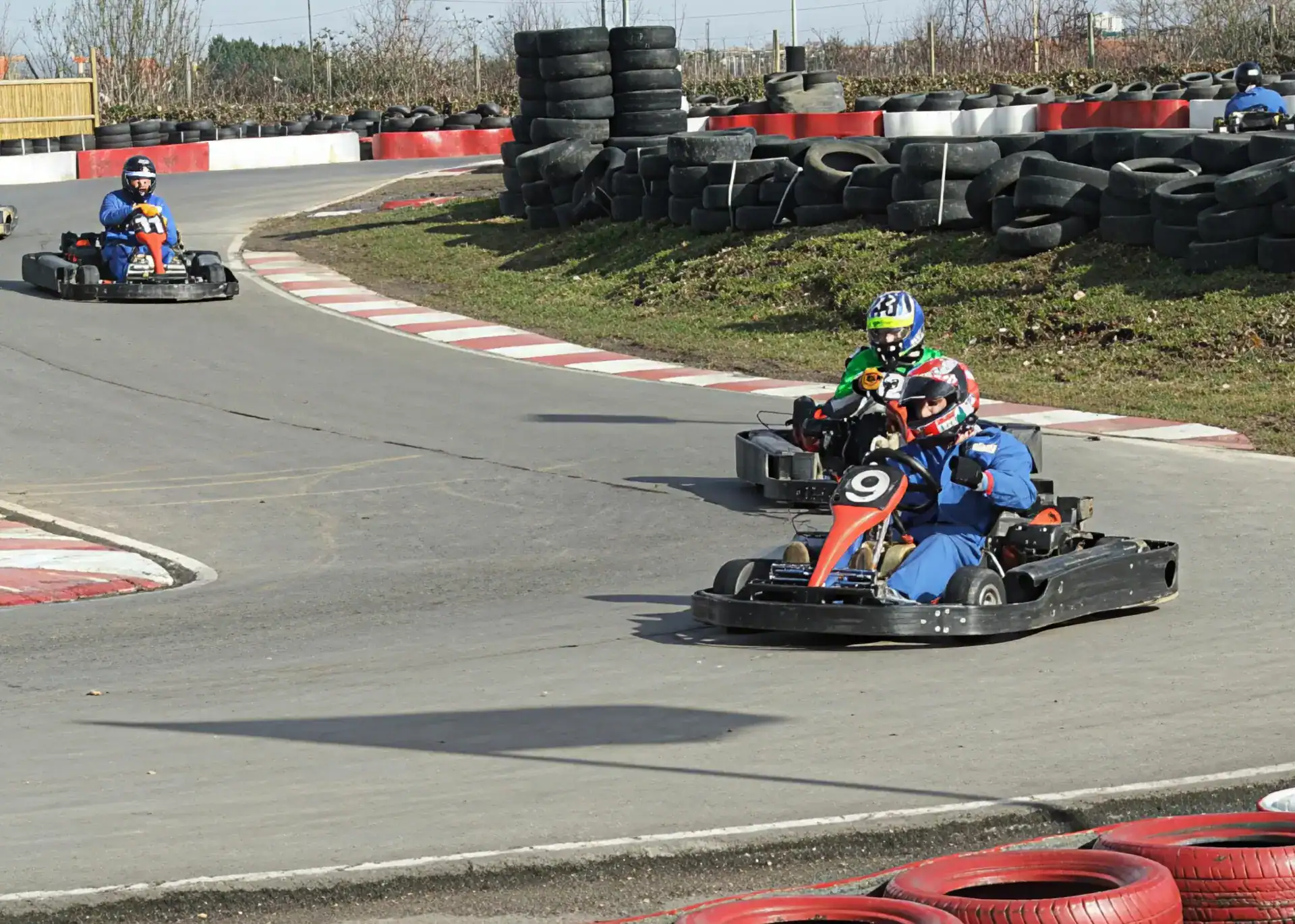
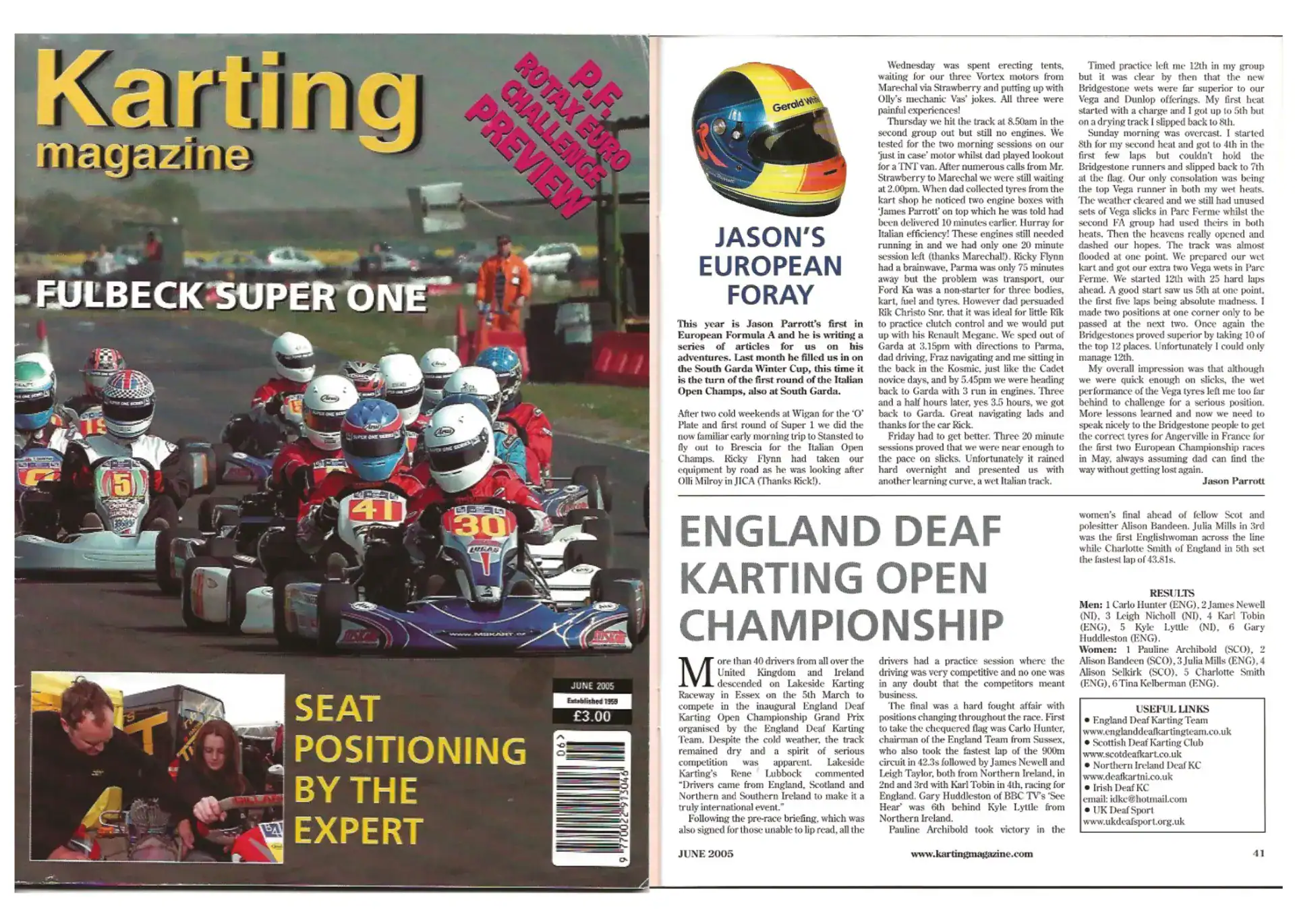
Carlo also established the name for the first official event, the English Open Deaf Karting Championship, recognising the importance of England developing its own identity within deaf motorsport alongside existing Scottish, Northern Irish, and Irish competitions. The first English Open Deaf Karting Championship took place on 5th March 2005, marking a major milestone for the England Deaf Karting Team and the wider development of deaf karting in the country. It represented the beginning of structured national competition for deaf drivers in England and brought together competitors, supporters, and volunteers for the first time under a formal championship format.
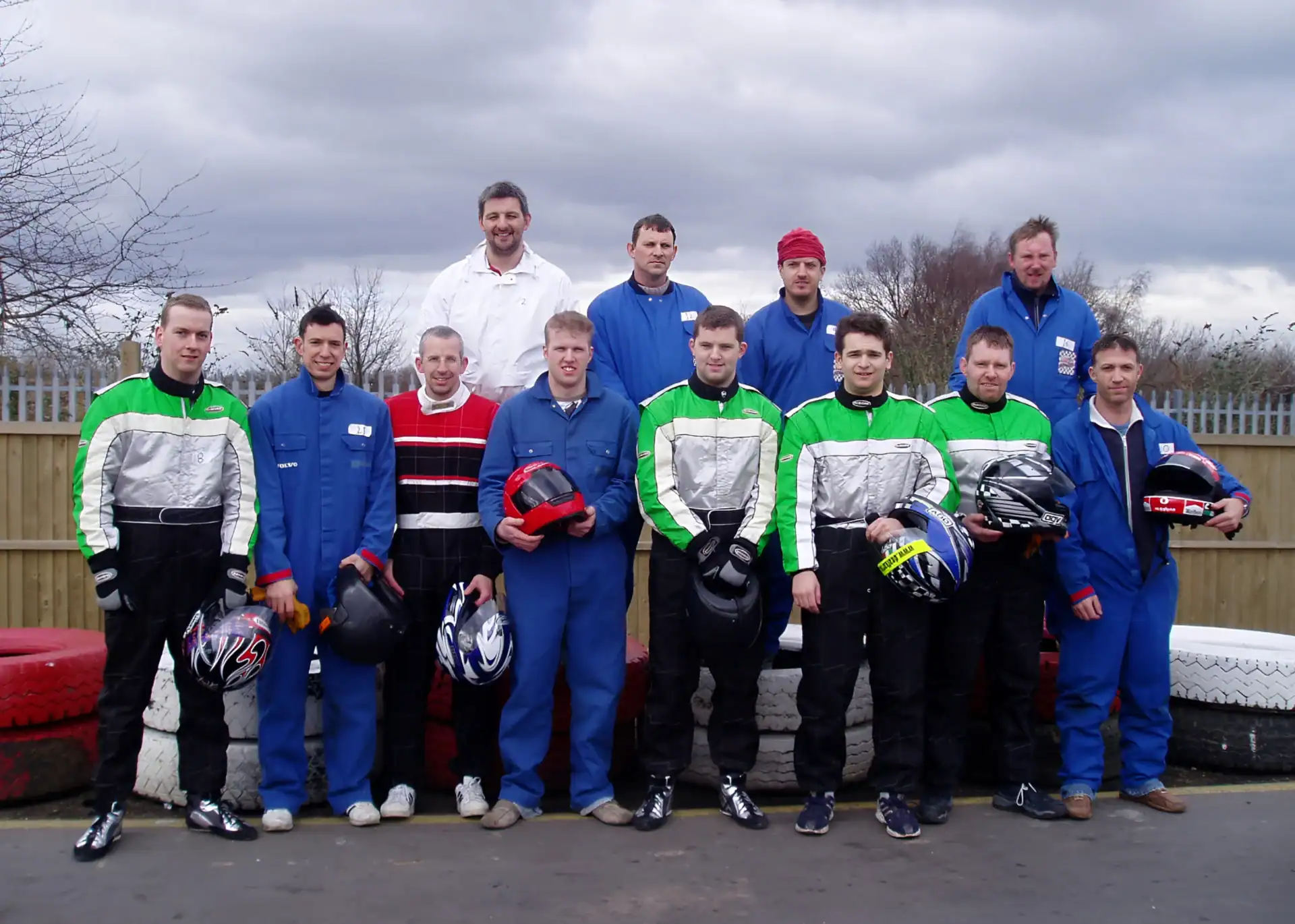
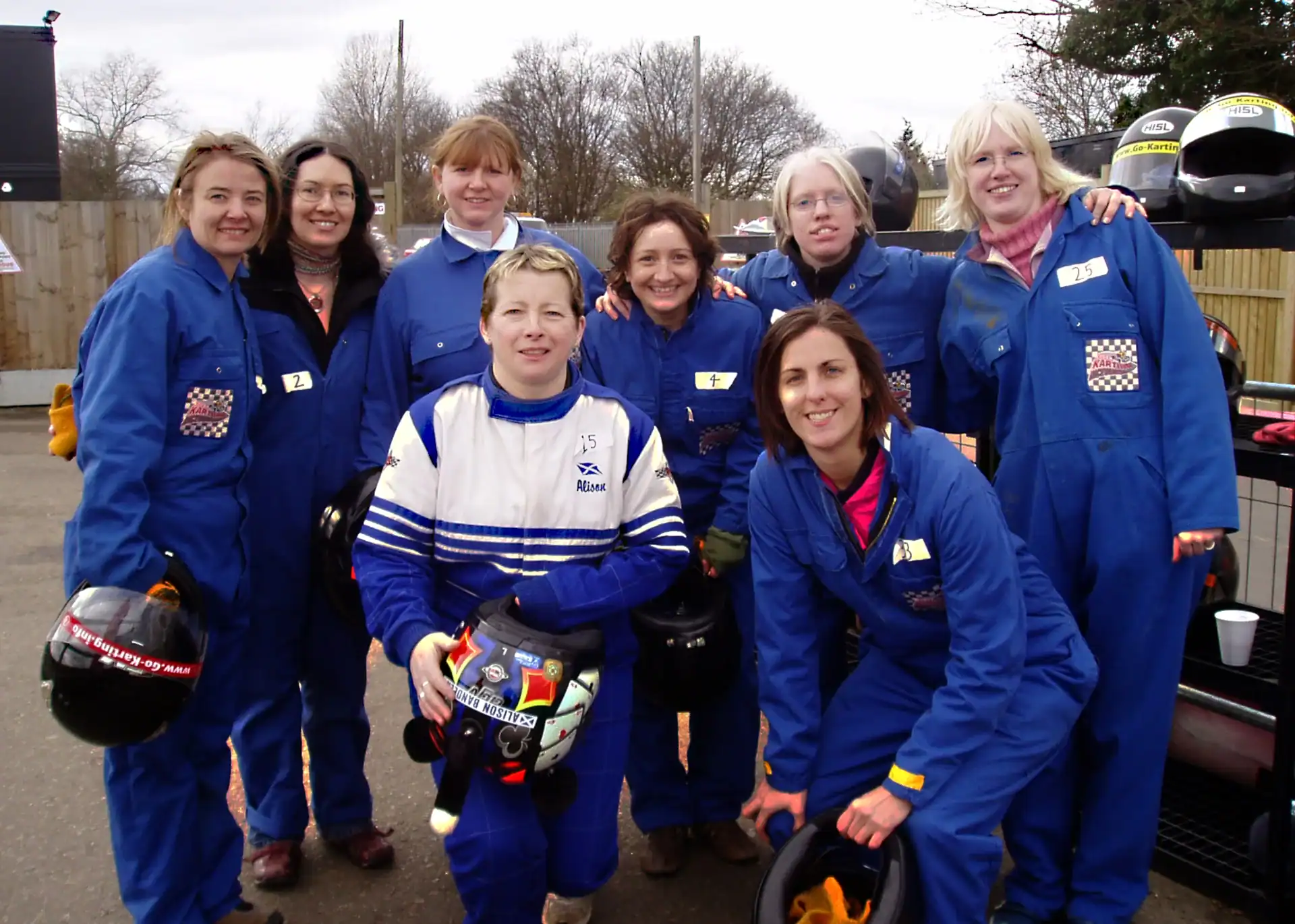
Later that year, approximately 40 people attended the event at Lakeside in East London. Although attendance was smaller than initially hoped, the championship demonstrated that deaf karting continued to have strong passion and growing interest within the community, confirming that there was a real foundation to build upon for the future.
A memorable highlight of this early period was the outstanding performance of Carlo Hunter, who became the first English Deaf Karting Champion. His success was widely celebrated within the deaf motorsport community and represented an important milestone in the early history of the England Deaf Karting Team.
Carlo was deeply disappointed by the collapse of the Sussex Deaf Karting Club, but he remained fully committed to continuing his vision for the England Deaf Karting Team. Rather than allowing the setback to halt progress, he focused on rebuilding and strengthening the organisation to create new opportunities for future generations of deaf drivers.
However, the organisation faced several challenges during its early development. With limited resources and all committee members working voluntarily, it became difficult to manage the team consistently and maintain long- term stability. Despite these difficulties, Carlo and the committee continued working hard to keep deaf karting active and growing within England.
To support the team’s continued development, Carlo invited several new committee members to join the organisation. Their involvement strengthened communication, event planning, and overall administration, enabling the team to operate more effectively as participation gradually increased.
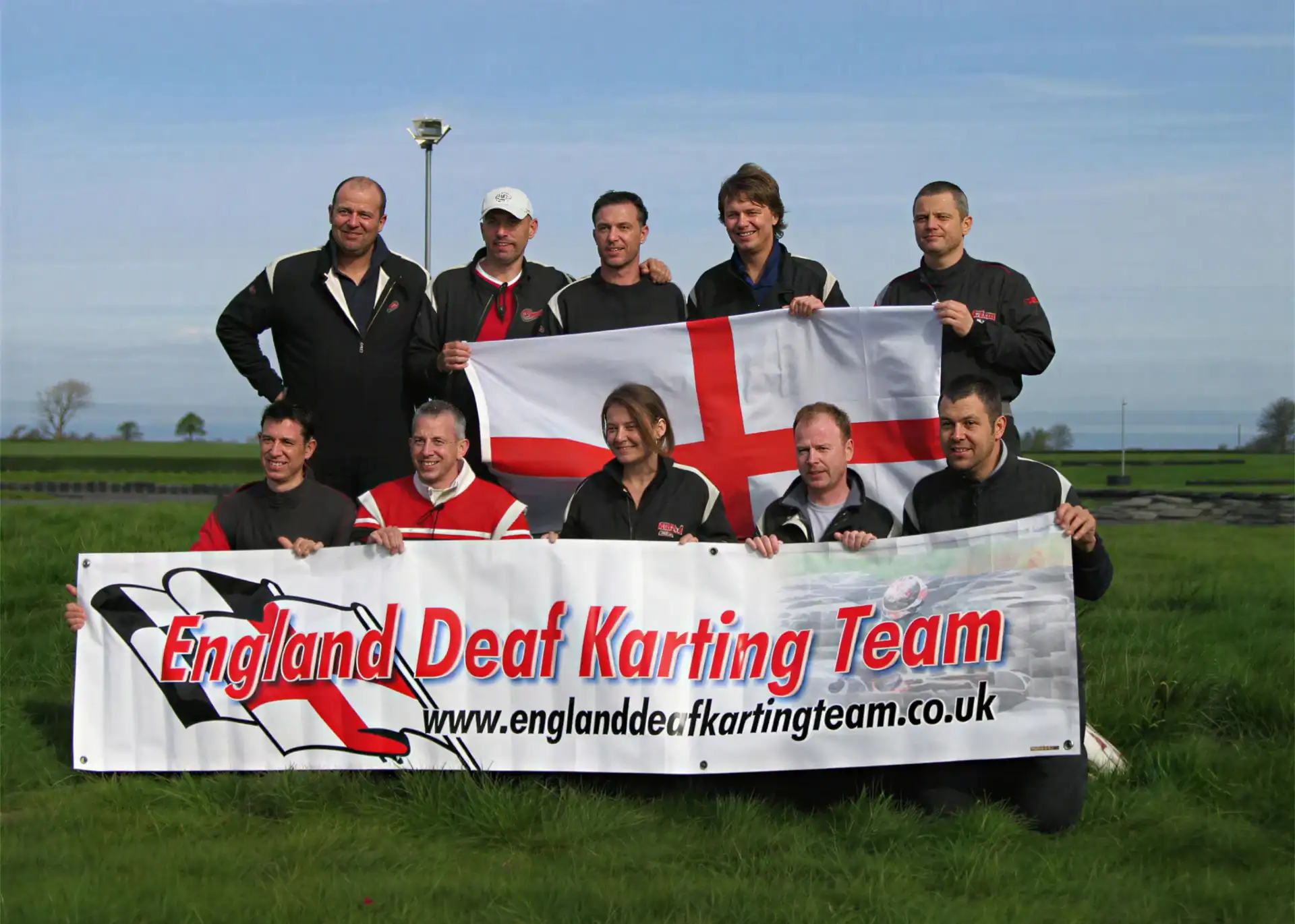
During the same period, Carlo selected the first-ever England Deaf Karting Team squad to compete in the Tri-Nations Deaf Karting Cup at Raceland, Edinburgh in Scotland. England entered a team of 10 drivers, consisting of nine men and one woman, into the international competition. The event also marked England’s first outdoor karting competition at the international level since 1996 and its first competition at the European level since 1996.
Despite being a newly formed team competing on the international stage for the very first time, England achieved an impressive third-place finish. The result was regarded as a proud achievement and represented an important milestone in the continued growth of deaf motorsport in England, providing a strong foundation to build on for the future.