
David Salmon continued in his role as Chairperson of the England Deaf Karting Association (EDKA), with the organisation fully returning to regular competition following the post-COVID recovery period and the gradual rebuilding of participation across the sport.
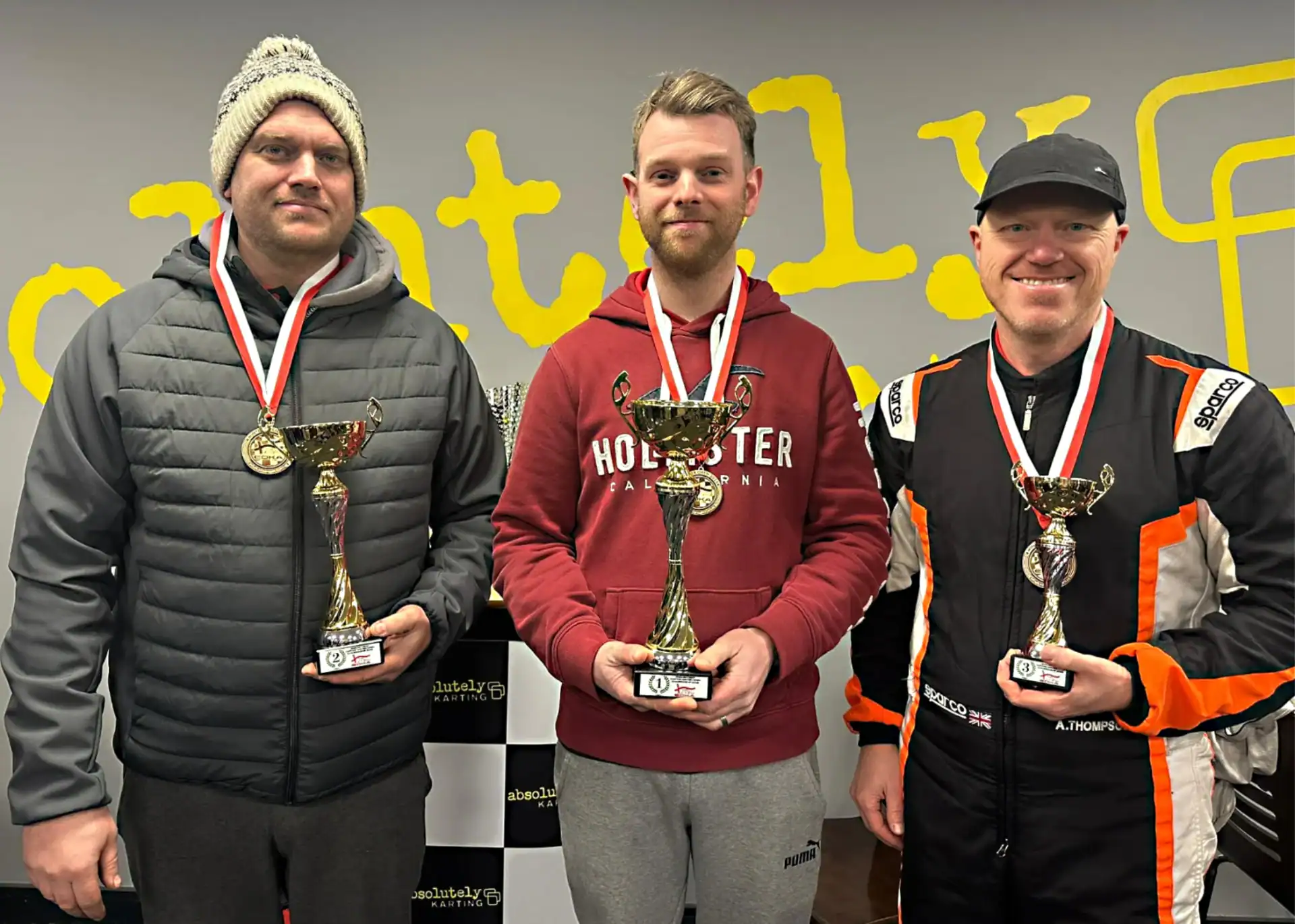
The season began with the return of the Winter Open Deaf Karting Championship. The committee elected to host the event indoors in Bristol, attracting approximately 40 participants. The turnout was both strong and encouraging, demonstrating sustained interest and growth within the deaf karting community and highlighting the importance of maintaining winter competition opportunities within the annual calendar.
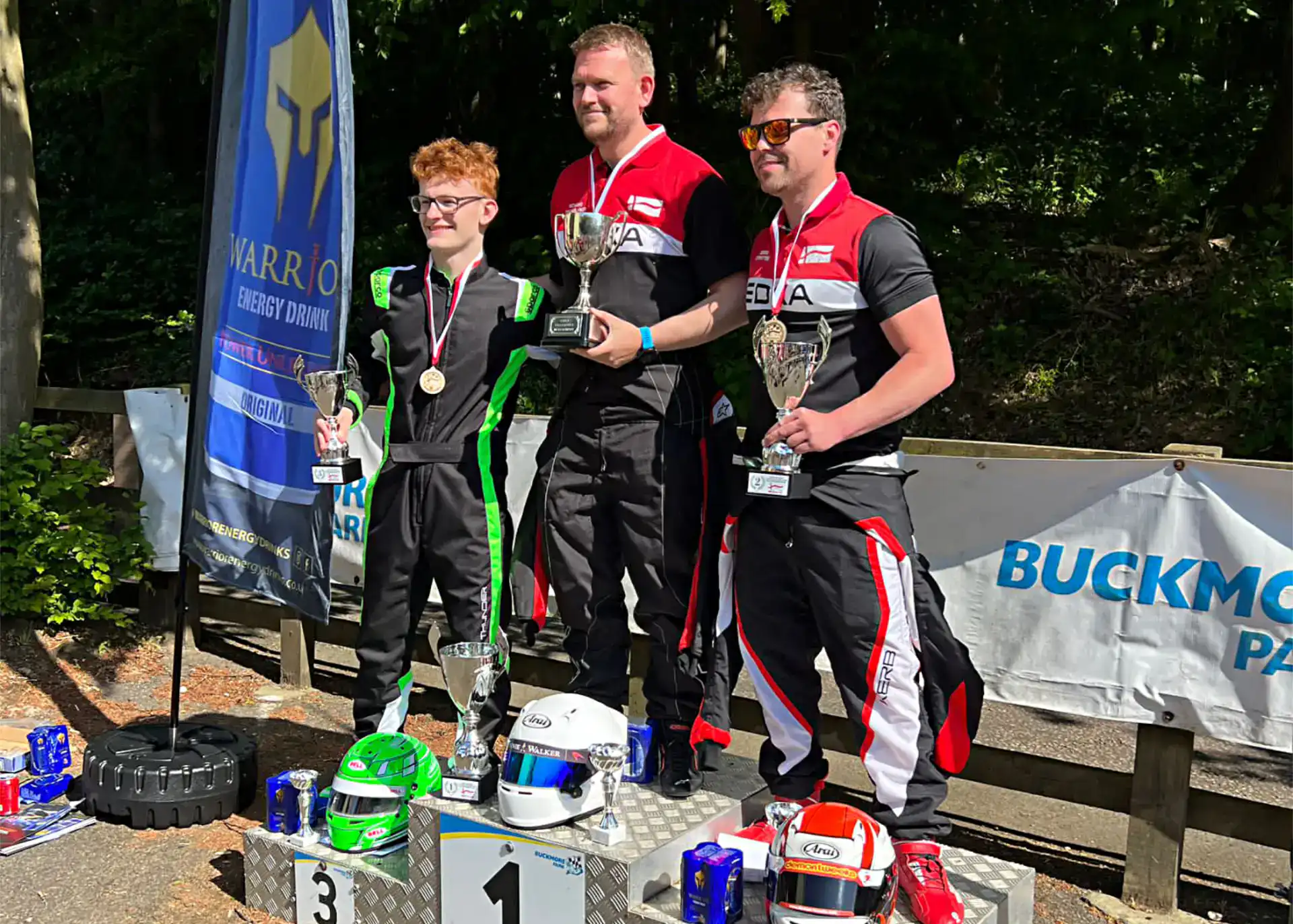
Later in the year, the English Open Deaf Karting Championship returned to Buckmore Park for the first time since 2014, marking a nine-year absence from the venue. The event attracted a significant number of competitors and was widely regarded as a successful return to one of the organisation’s most respected outdoor circuits, reinforcing its importance within the EDKA competition structure.
During this period, David Salmon, Christopher Heppenstall, and Alan Thompson collaborated on the development of a revised and updated constitution to modernise the organisation’s governance framework. This important work helped clarify roles and responsibilities, improve structural efficiency, and strengthen the long-term stability and strategic direction of EDKA as it continued to develop in the post-pandemic era.
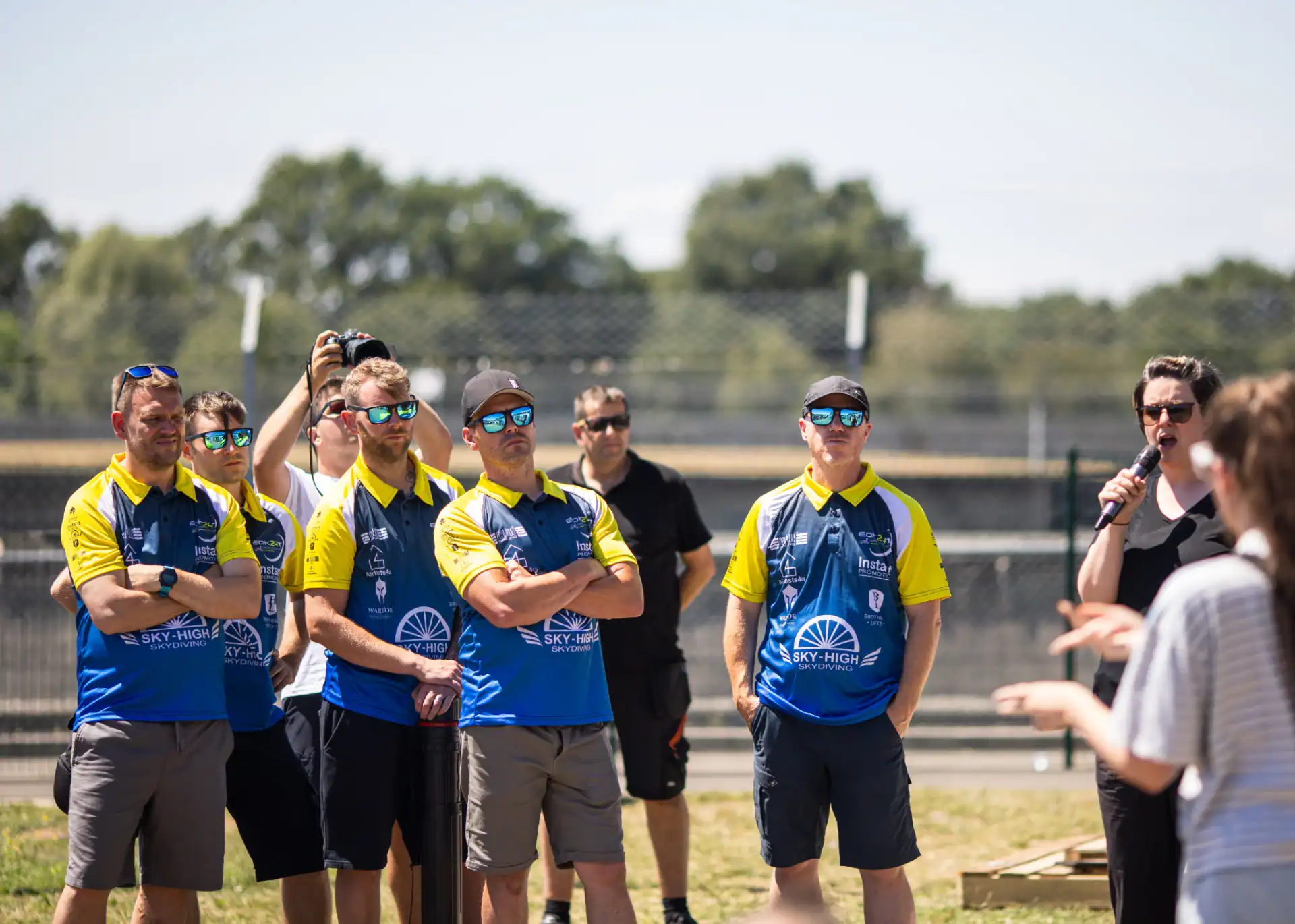
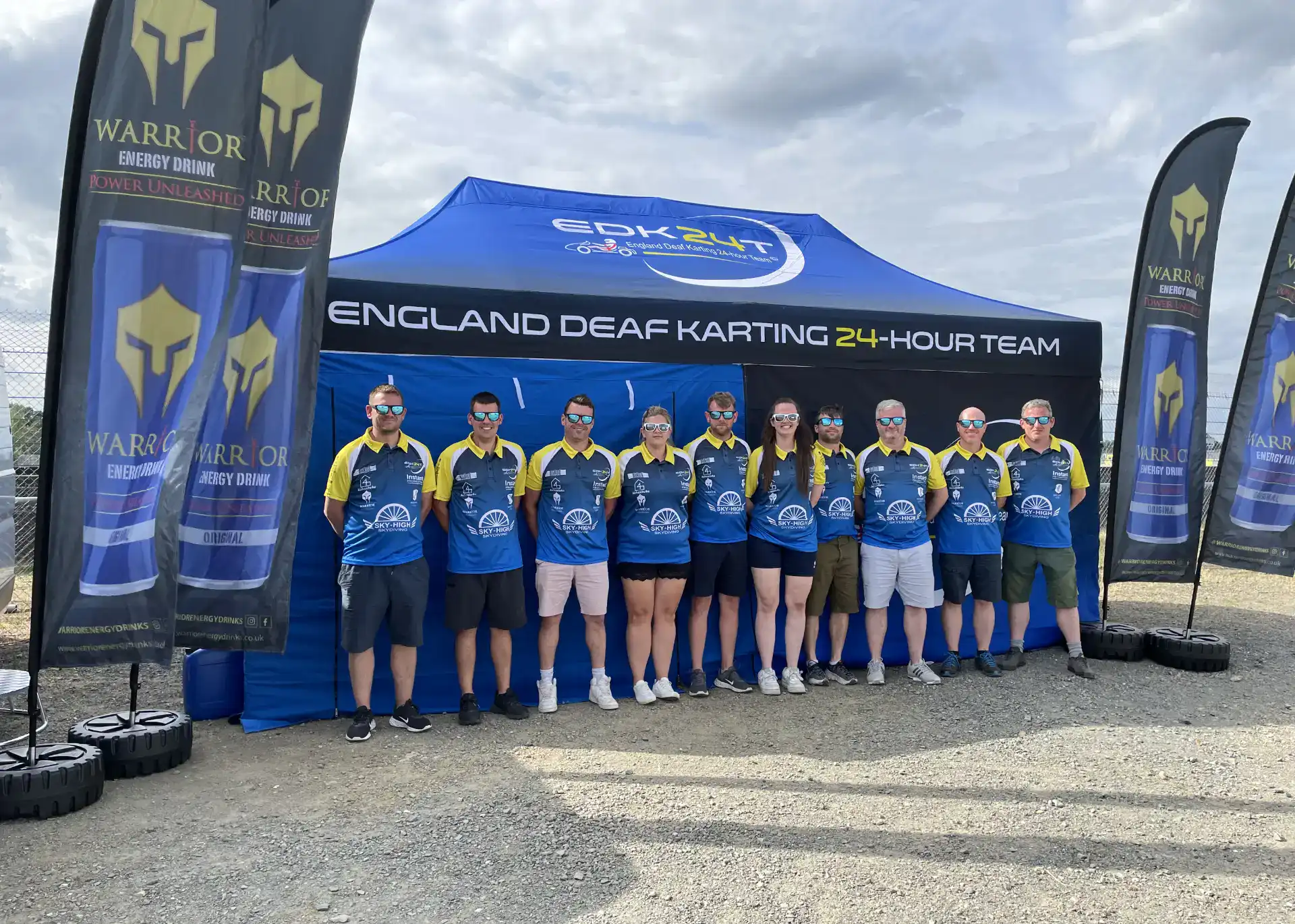
In parallel, Alan Thompson continued in his role as manager of EDK24T, overseeing one of the most successful phases in the team’s history. He secured some of the strongest sponsorship support the team had achieved since 2004, enabling participation in major endurance events, including the British 24-Hour Race and the Le Mans 24-Hour Race in France. During this period, the team also introduced a new gazebo setup and a refreshed EDK24T logo, contributing to a more professional identity and delivering the most substantial sponsorship package in the team’s history.
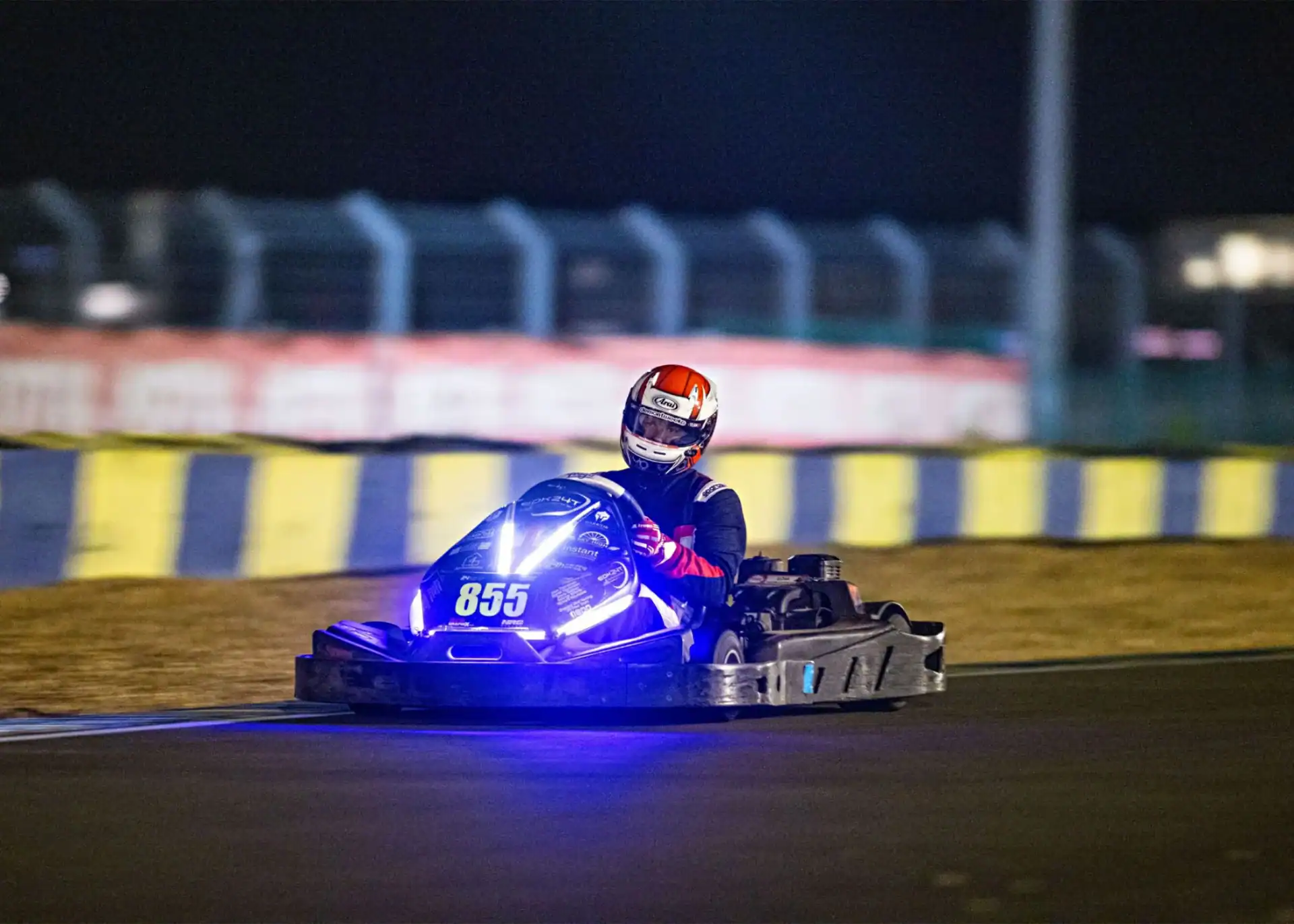
Despite this strong preparation and progress, both endurance campaigns were affected by misfortune and mechanical issues. At the Le Mans 24-Hour Hire Elite Class, the team finished in seventh place, while at the British 24-Hour Race Hire Elite Class, they secured fourth place. Although both results demonstrated competitiveness against highly experienced fields, reliability problems and unexpected breakdowns prevented the team from converting their performance into podium finishes. A combination of mechanical issues, race incidents, and challenging track conditions meant the final results did not fully reflect the team’s potential, leaving both events with a sense of disappointment.
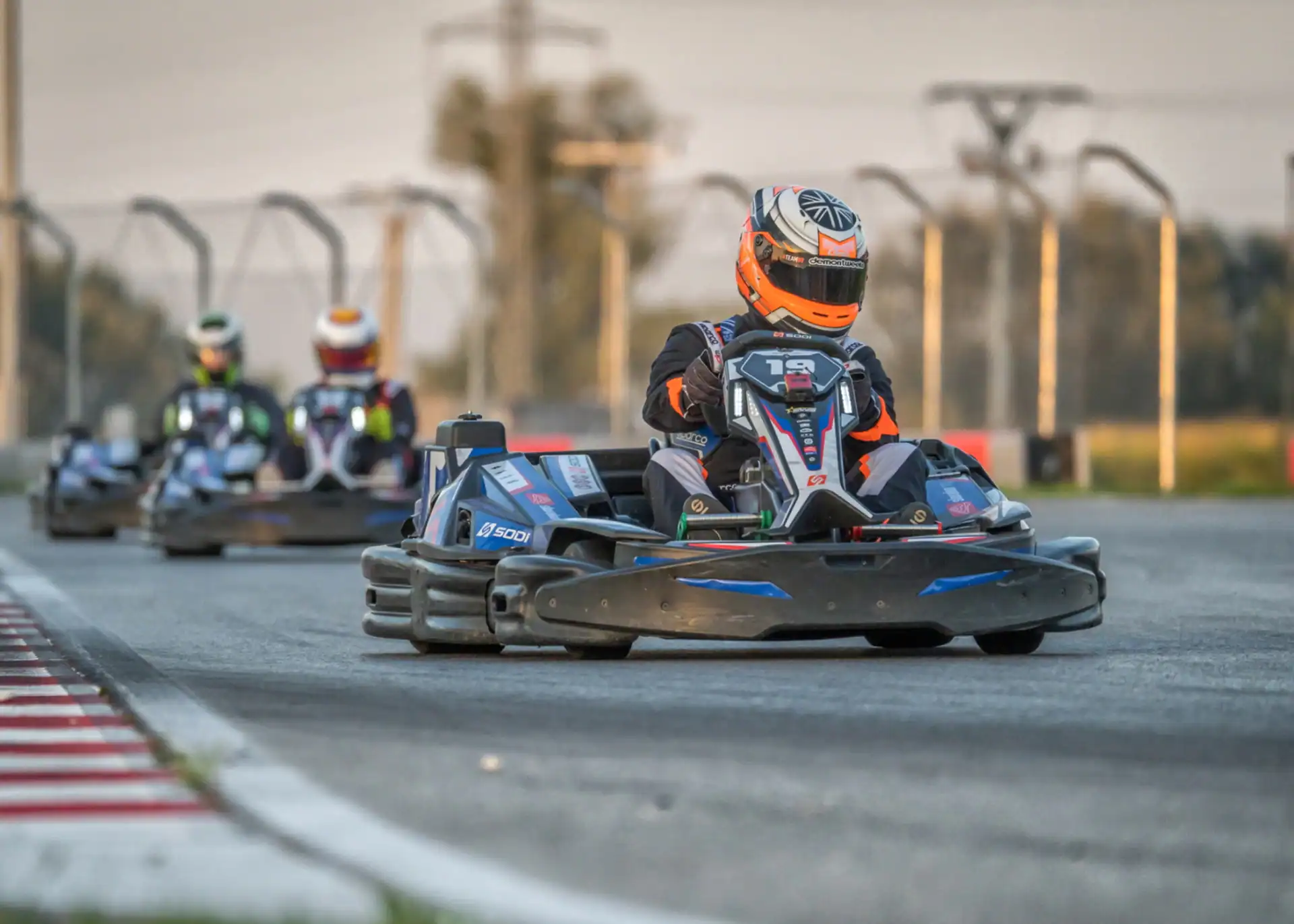
Following the domestic season, David Salmon and Christopher Heppenstall selected an eight-driver England Deaf Karting Team to compete at the European Deaf Karting Championship in Slovakia. The competition was once again of an exceptionally high standard, with Germany continuing to set the benchmark at the international level.
England delivered a disciplined and determined performance throughout the championship, demonstrating consistency and resilience across the event. However, they were unable to match Germany’s pace and overall control of the competition, ultimately finishing in second place and securing another European silver medal.
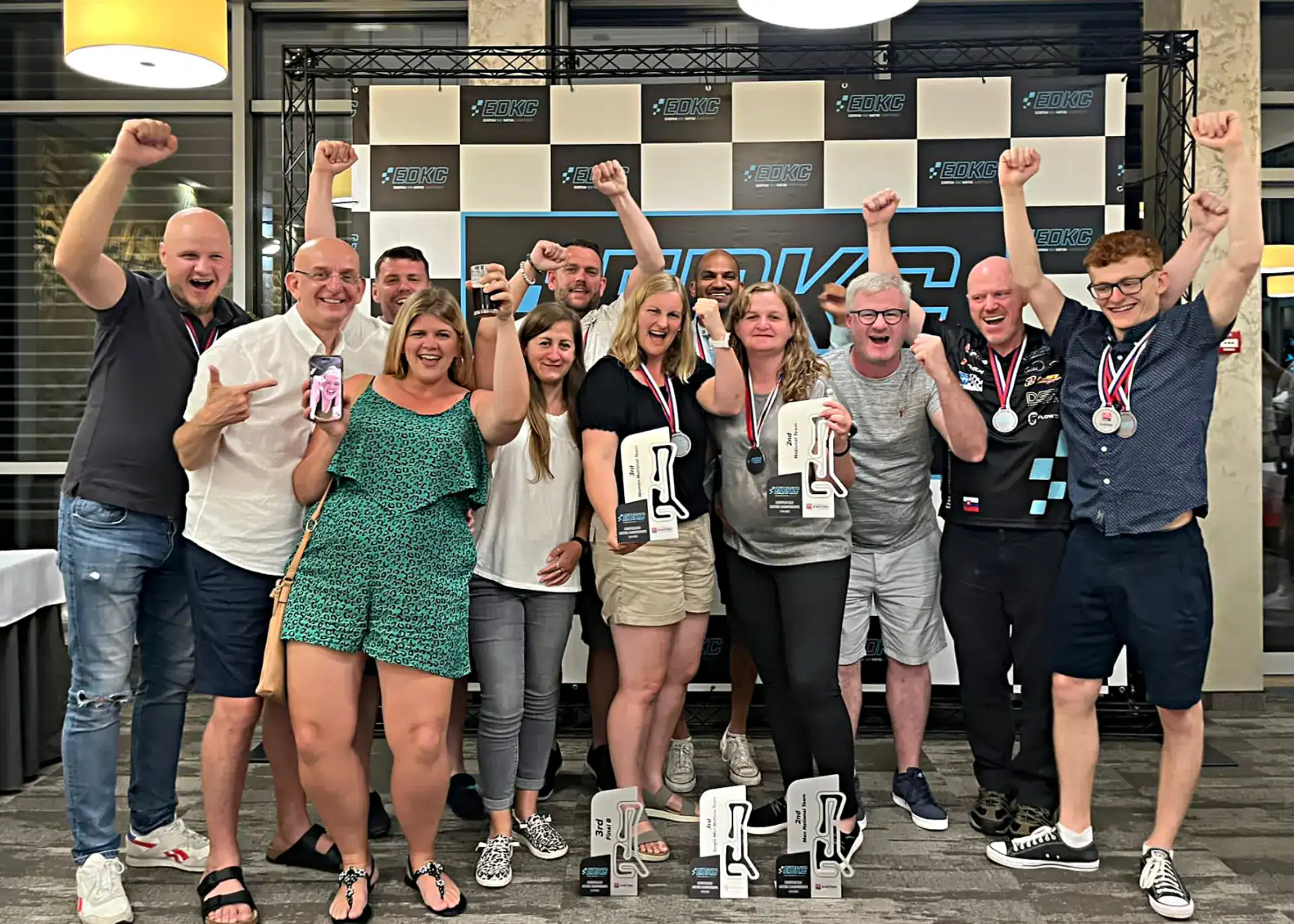
While this represented another strong international result and reinforced England’s position among the leading nations in European deaf karting, it also highlighted Germany’s continued dominance during this period and the marginal gains required for England to reclaim the European title.