
The 2008 season represented a major turning point for the England Deaf Karting Team. Following the discussions held towards the end of 2007, founder Carlo Hunter officially stepped down from his role as Chairperson after several years of dedication to building the foundations of deaf karting in England.
Christopher Heppenstall had previously been approached by Carlo and asked whether he would be willing to take over the position of Chairperson and continue leading the organisation into the future. Around the same period, Carlo also relocated to Ireland to begin a new chapter in his personal life with his partner.
This transition marked the end of the organisation’s founding era and the beginning of a new phase under Christopher Heppenstall’s leadership. Taking over as Chairperson, Christopher brought a strong commitment to the future of the club, with a particular focus on stability, professionalism, and long-term growth.
One of the most significant developments during this period was the introduction of a formal constitution. This provided the organisation with a clearer governance structure, established official rules and procedures, and created a more professional operational framework for the years ahead. Supported by a refreshed committee, Christopher worked hard to preserve the momentum and standards that had been established during the club’s formative years, while also preparing the organisation for future expansion and greater competitive opportunities.
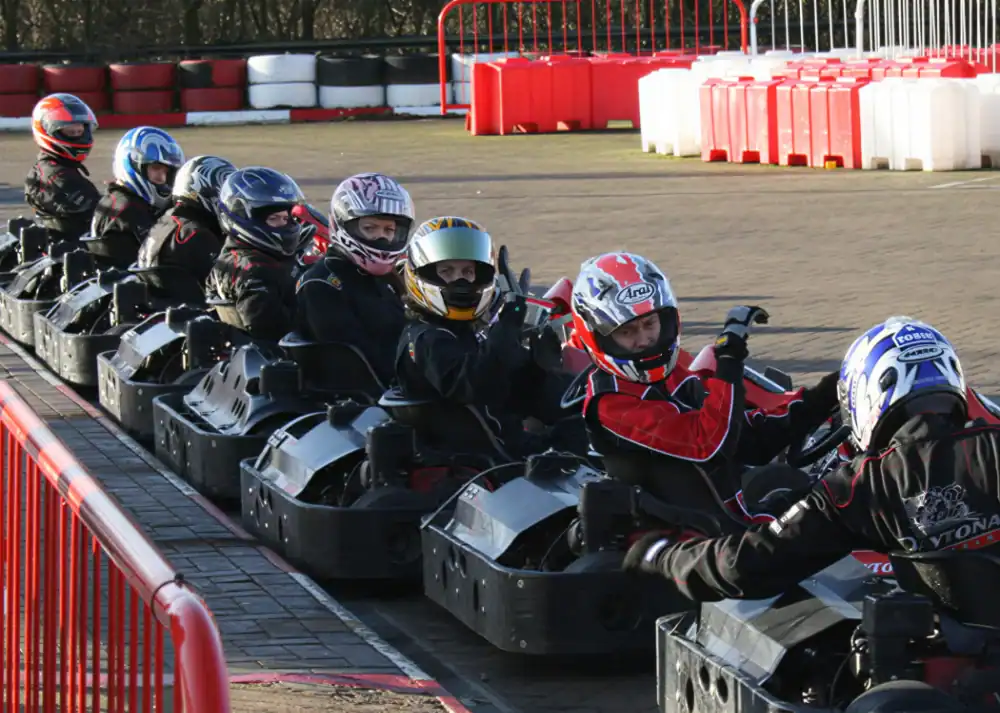
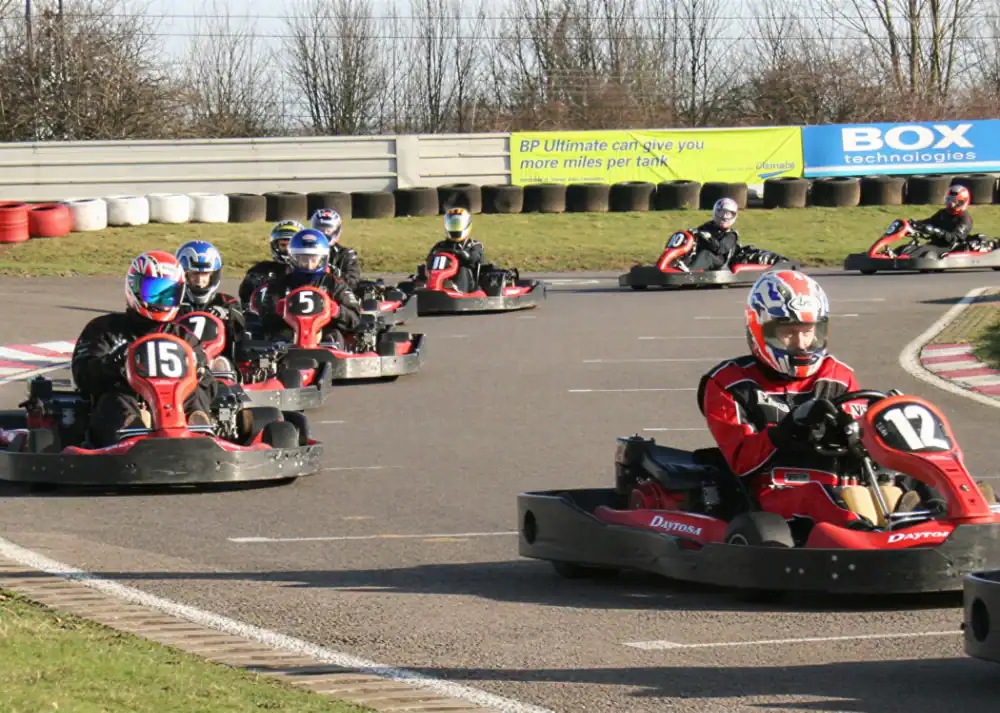
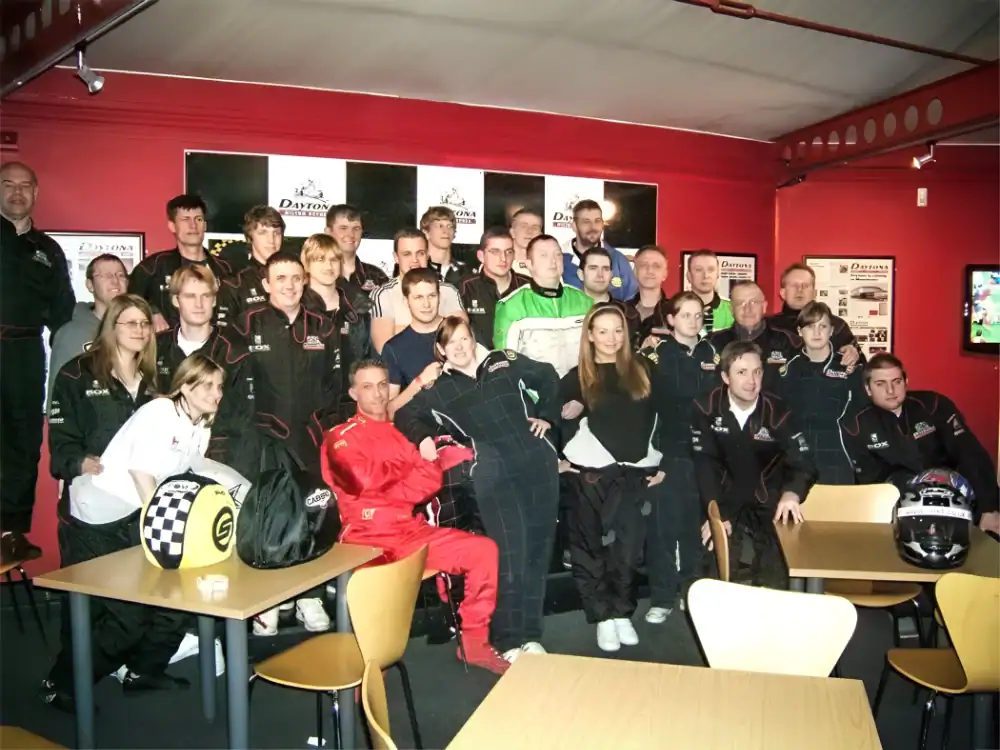
The season’s main domestic event, the English Open Deaf Karting Championship, returned to Daytona Milton Keynes for the second consecutive year. The championship proved highly successful and attracted approximately 30 drivers competing for the national title. Beyond the racing itself, the event also served as the primary selection process for identifying drivers to represent England in international competition, helping to maintain strong engagement and unity within the deaf karting community.
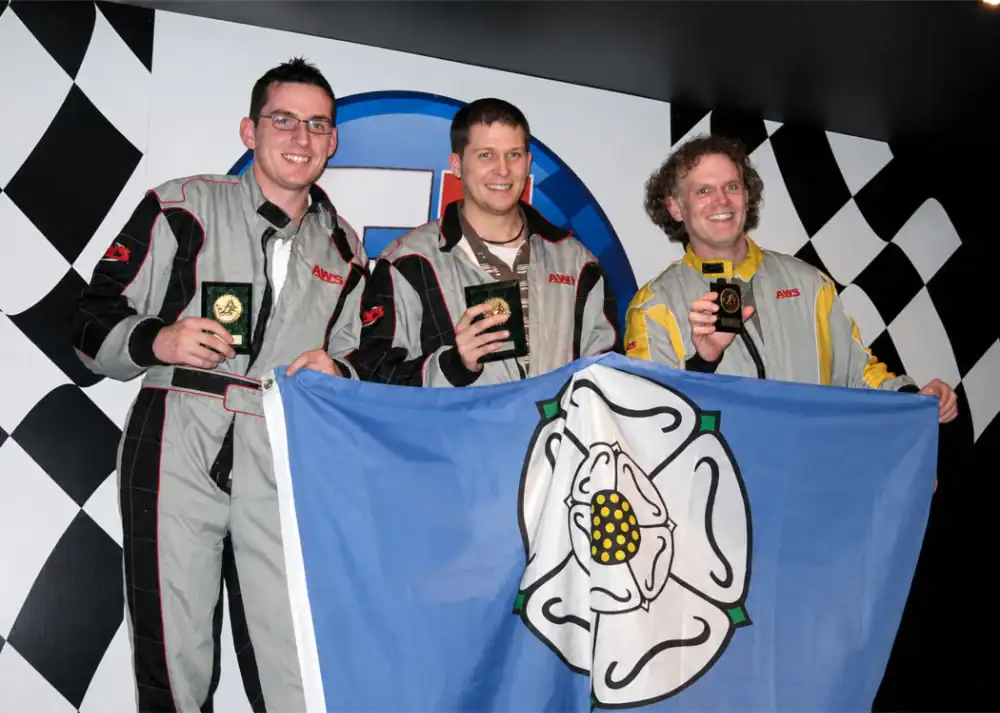
Following the domestic championship, Carlo and Christopher worked together on the selection of a 12-driver squad, consisting of 9 men and 3 women, to represent the England Deaf Karting Team at the European Nation Deaf Karting Championship event, hosted in Scotland later that year.
The competition presented a significant challenge, with an exceptionally high standard of driving from teams across Europe. Although England found it difficult to replicate the pace and results achieved during the previous season, the team demonstrated strong determination, professionalism, and unity throughout the event.
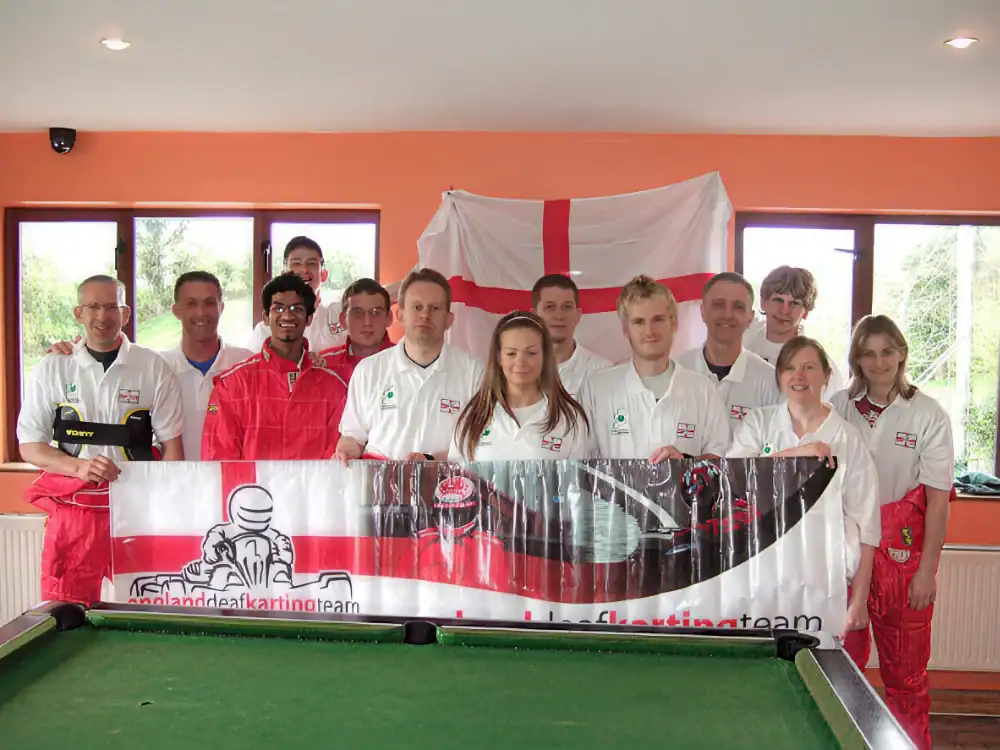
Despite the challenges, England secured a hard-fought third-place finish overall. The result reflected both the increasing strength of international deaf karting competition and the team’s continued commitment to developing and improving on the European stage.