The year 2026 marked a defining period of growth and progress for the England Deaf Karting Association (EDKA). Under Chairperson Alan Thompson, the organisation continued to expand, with Alan stepping down from his role as Secretary of the European Deaf Karting Championship (EDKC) after five years to focus fully on EDKA’s domestic development.
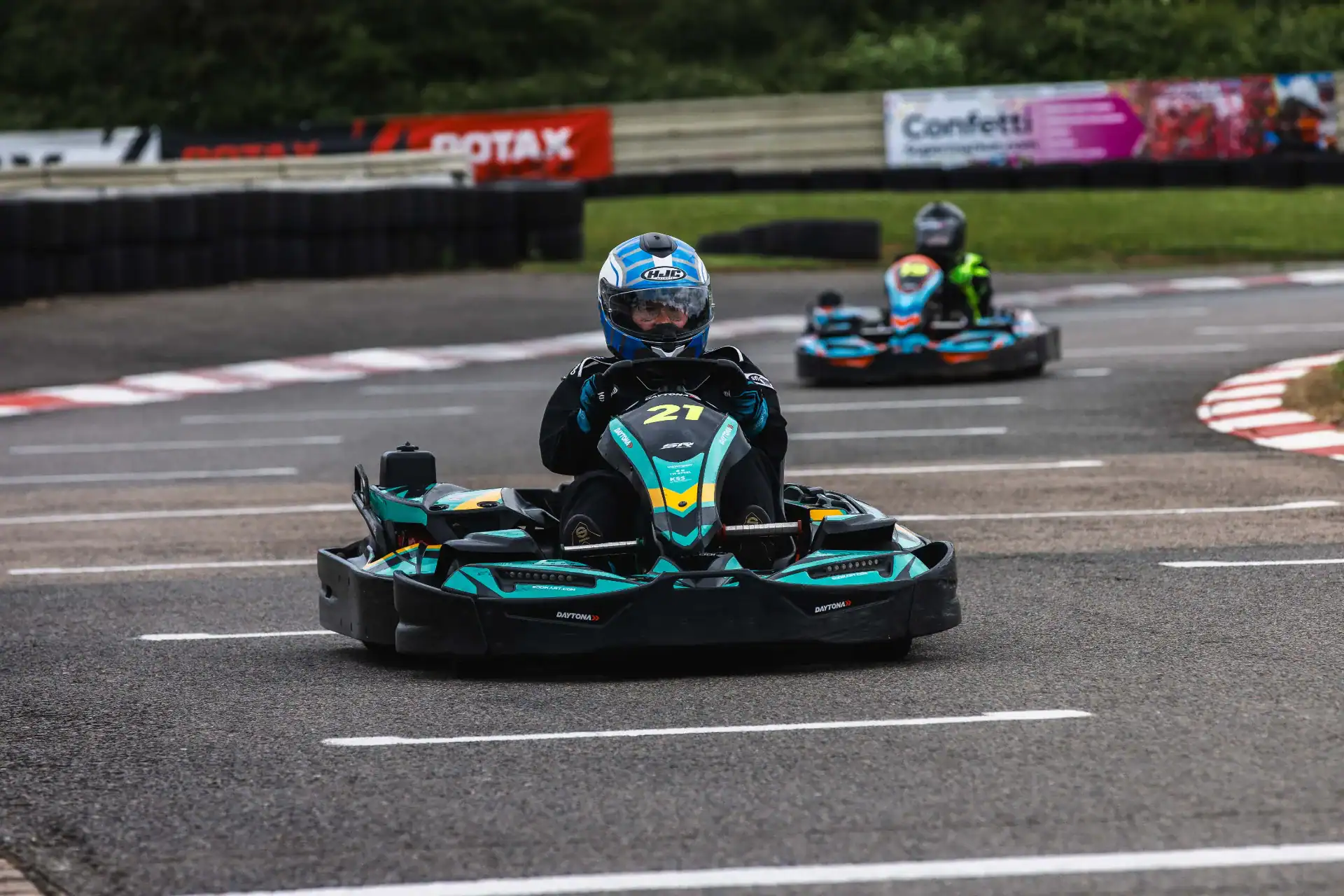
The organisation delivered a total of eight major events throughout 2026, maintaining a highly active and structured competitive calendar across the season. These events reflected the continued growth of the Association and its ability to sustain a demanding national programme while supporting increasing participation levels.
At the British 24 Hour Race in 2026, the England Deaf Karting 24-Hour programme made a strategic decision to compete at Silverstone instead of Teesside, marking the first time the organisation had raced at Silverstone in karting competition. The team entered three squads under the EDK24T banner: Blue, Yellow, and White.
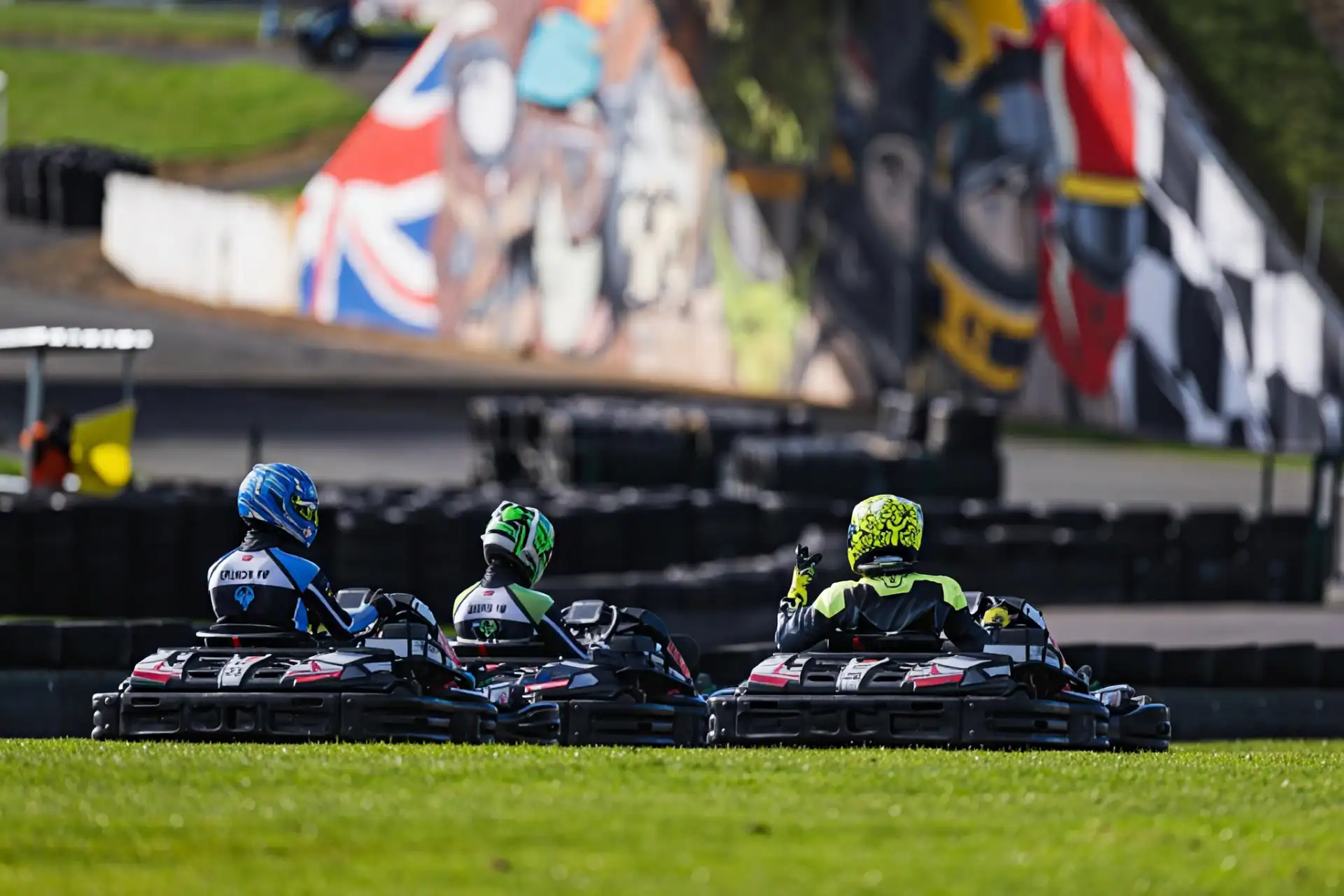
The event proved challenging across all entries, with reliability issues and inconsistent kart performance affecting competitiveness throughout the race. The Blue Team finished 22nd, the Yellow Team finished 33rd, and the White Team completed the event in 39th place. Despite the difficult circumstances, all three teams demonstrated determination and resilience, successfully completing one of the most demanding endurance events on the calendar and gaining valuable experience at an iconic motorsport venue.
A significant transition in financial leadership also took place, as long-serving Treasurer Richard Hounslow stepped down after eleven years of dedicated service. His tenure played a crucial role in maintaining financial stability throughout a decade of growth and modernisation. Following his departure, Matthew Parker, appointed in late 2025, continued as Treasurer, introducing refreshed systems and strengthened financial oversight that contributed to improved long-term organisational efficiency. This financial restructuring, alongside ongoing governance reforms, resulted in some of the most substantial operational improvements in over 22 years of the Association’s history.
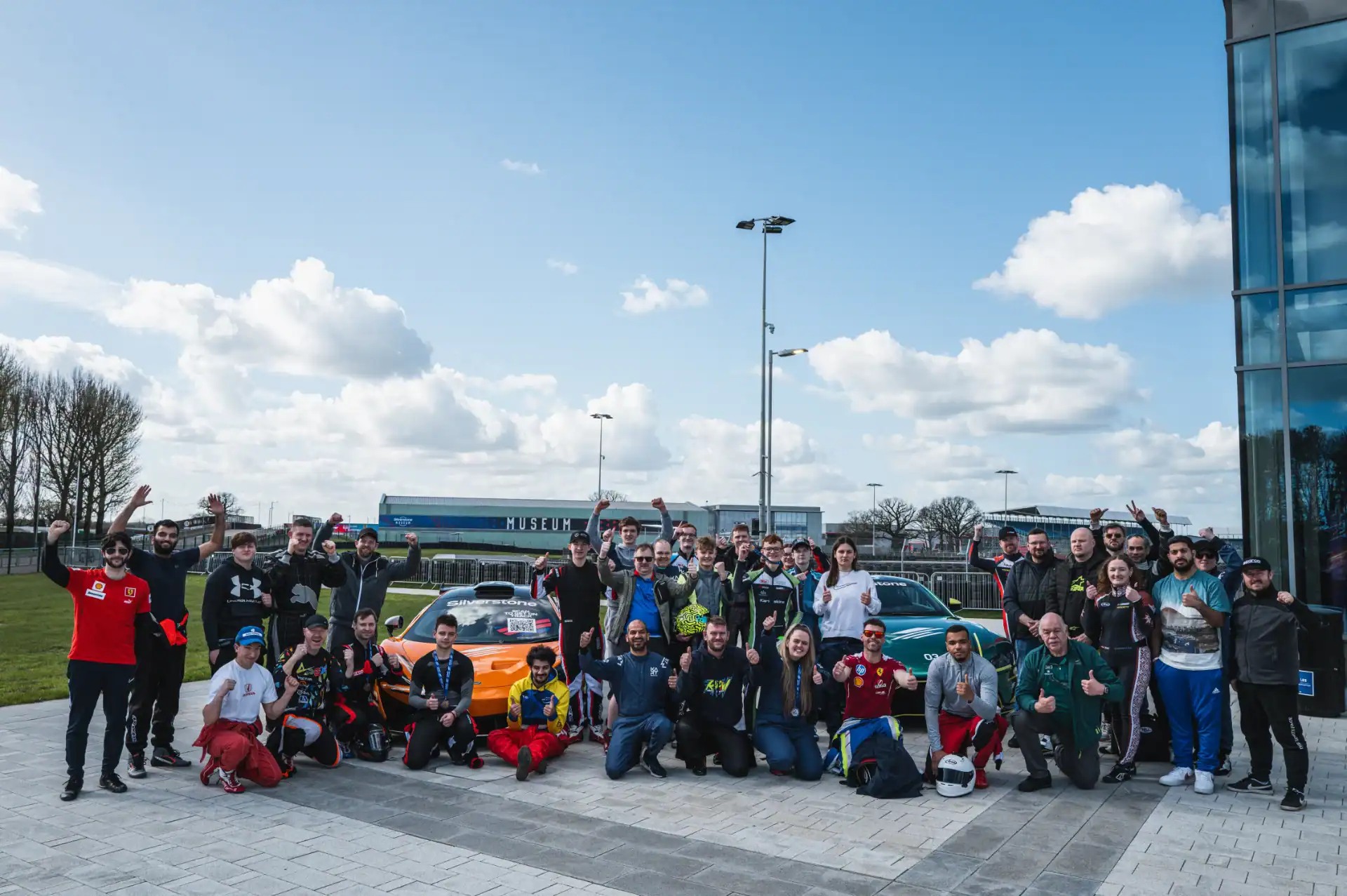
This period also saw a historic strengthening of the partnership with Motorsport UK, the national governing body for four-wheeled motorsport. Through this collaboration, EDKA became the first recognised deaf motorsport organisation in the world to be formally integrated within a national governing body structure. This landmark achievement provided international recognition and established a global benchmark for inclusion and accessibility within the sport. A major outcome of this partnership was the introduction of funding for British Sign Language (BSL) interpreters, ensuring that for the first time in 22 years, BSL interpreters were present at official events and activities, providing full communication access during key briefings, meetings, and operational environments.
Technological modernisation also reached a new milestone in 2026 with the launch of the official EDKA website. Developed by deaf web designer Paul Challinor through WP Ability and funded by Motorsport UK, the project began in April 2026 and was officially launched in June. Built with a strong focus on accessibility, inclusion, and digital visibility, the platform significantly improved communication with drivers, supporters, and the wider motorsport community.
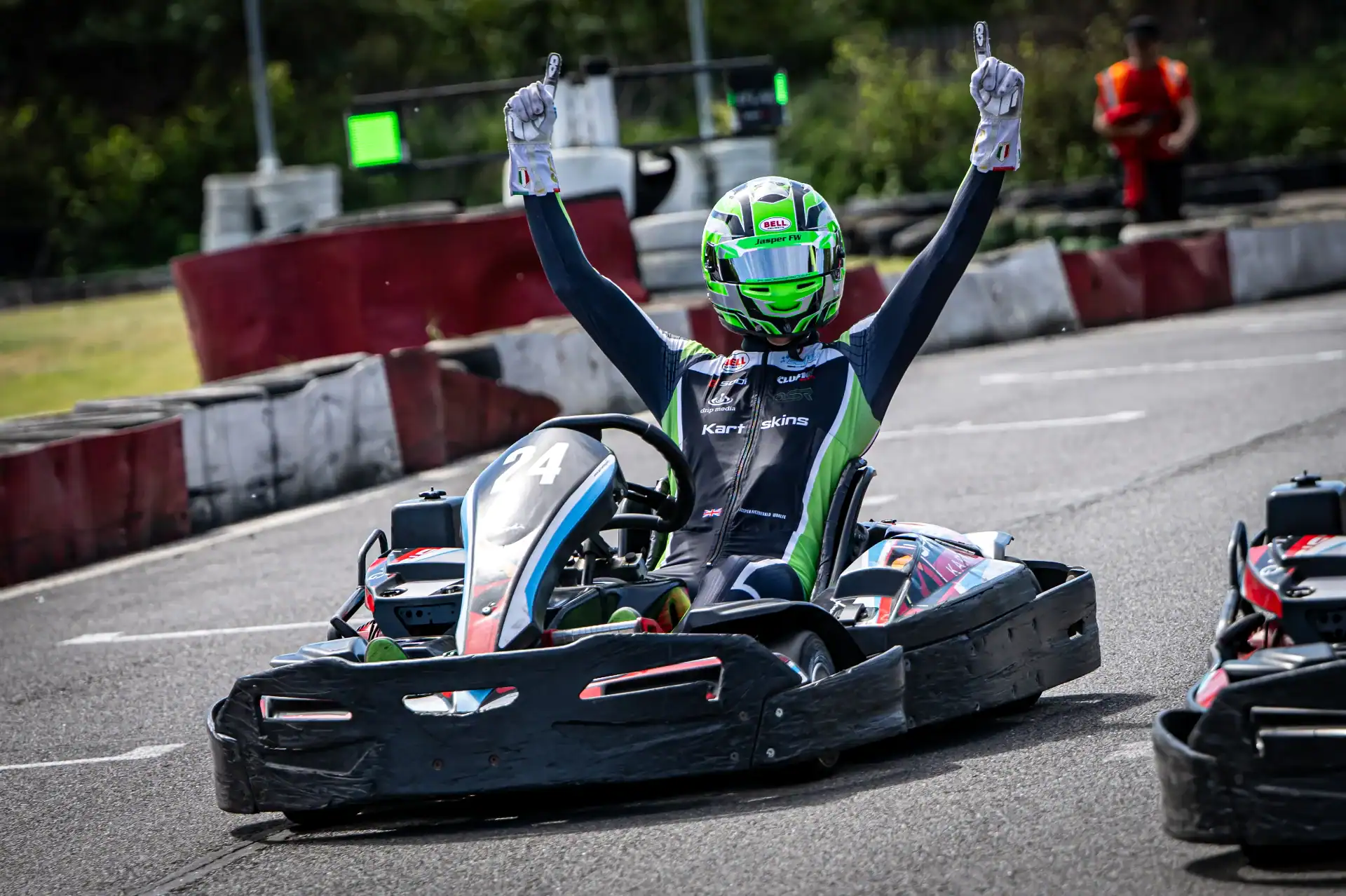
To manage increasing complexity and continued growth, the EDKA committee expanded to 19 members, forming the largest leadership structure in its history. This expansion placed a strong emphasis on diversity, with increased female representation in leadership roles, ensuring more balanced and inclusive decision- making across the organisation.
Today, EDKA supports approximately 50 KX licence drivers and continues to develop strong pathways for emerging young talent. Strategic partnerships with organisations such as SignVideo, LJN Designs, Athlee Ltd, and the Association of North East Midlands Motor Clubs (ANEMMC) have further embedded the Association within the wider UK motorsport ecosystem.
As the organisation progressed through 2026, attention increasingly turned towards long-term performance development and international collaboration. New training pathways were introduced to support junior drivers transitioning into senior competition, alongside structured coaching programmes designed to raise competitive standards across all levels. This created a more sustainable pipeline of talent, ensuring future teams would be stronger, more experienced, and better prepared for international competition.
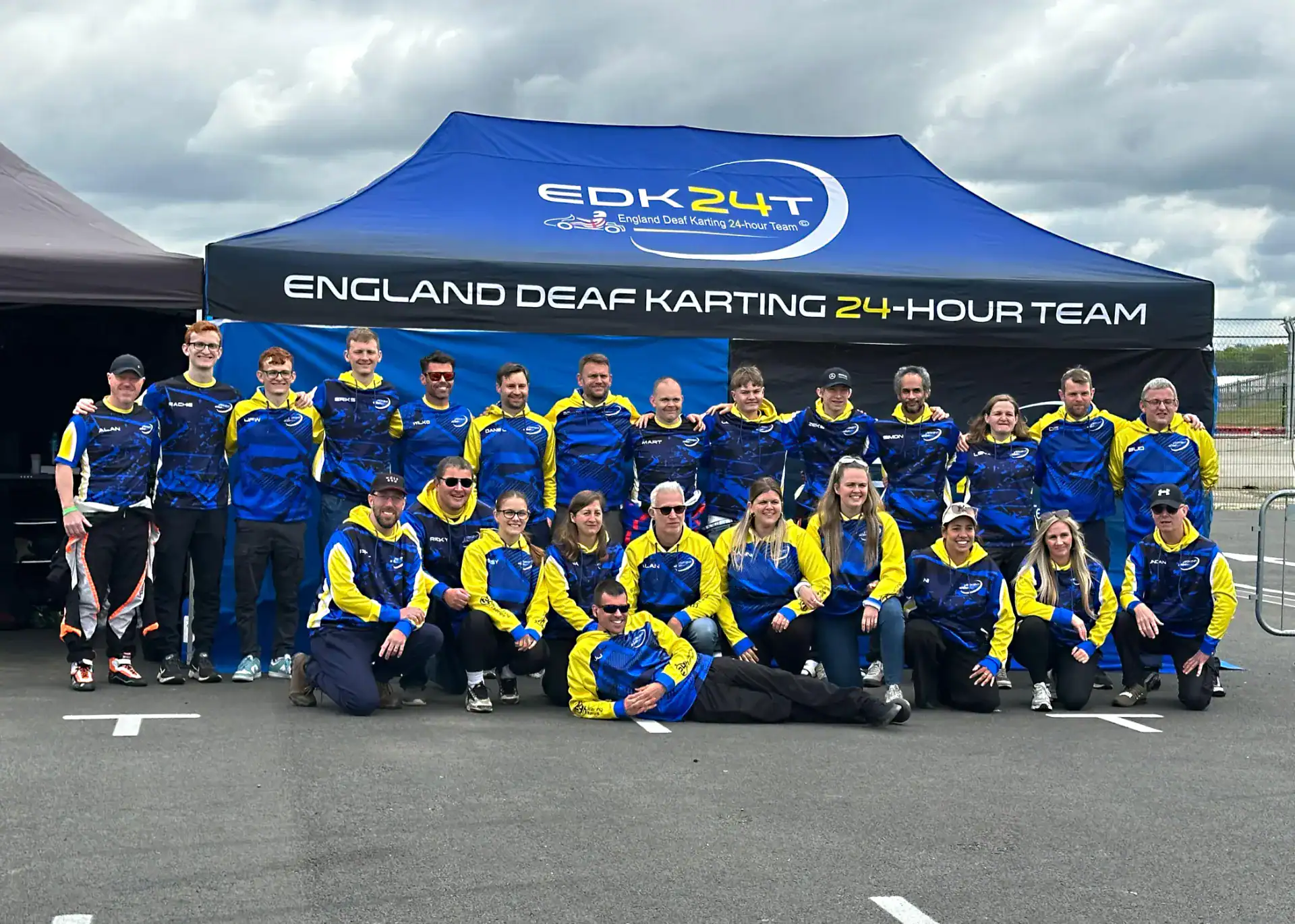
From its founding in 2003 to its position in 2026, the England Deaf Karting Association has evolved into a globally recognised model for inclusion in motorsport. With formal recognition, expanded leadership, and growing international partnerships, the organisation continues to move towards a future defined by accessibility, performance, and opportunity for deaf drivers at every level. Every lap driven and every barrier broken contributes to a legacy that continues to inspire deaf athletes for years to come.………….to be continued.