
2025 marked a defining turning point for the England Deaf Karting Association, as the organisation entered a new era of professional leadership and rapid expansion. Alan Thompson was officially appointed Chairperson, leading a renewed focus on modernisation, safeguarding, and a significantly expanded competitive programme.
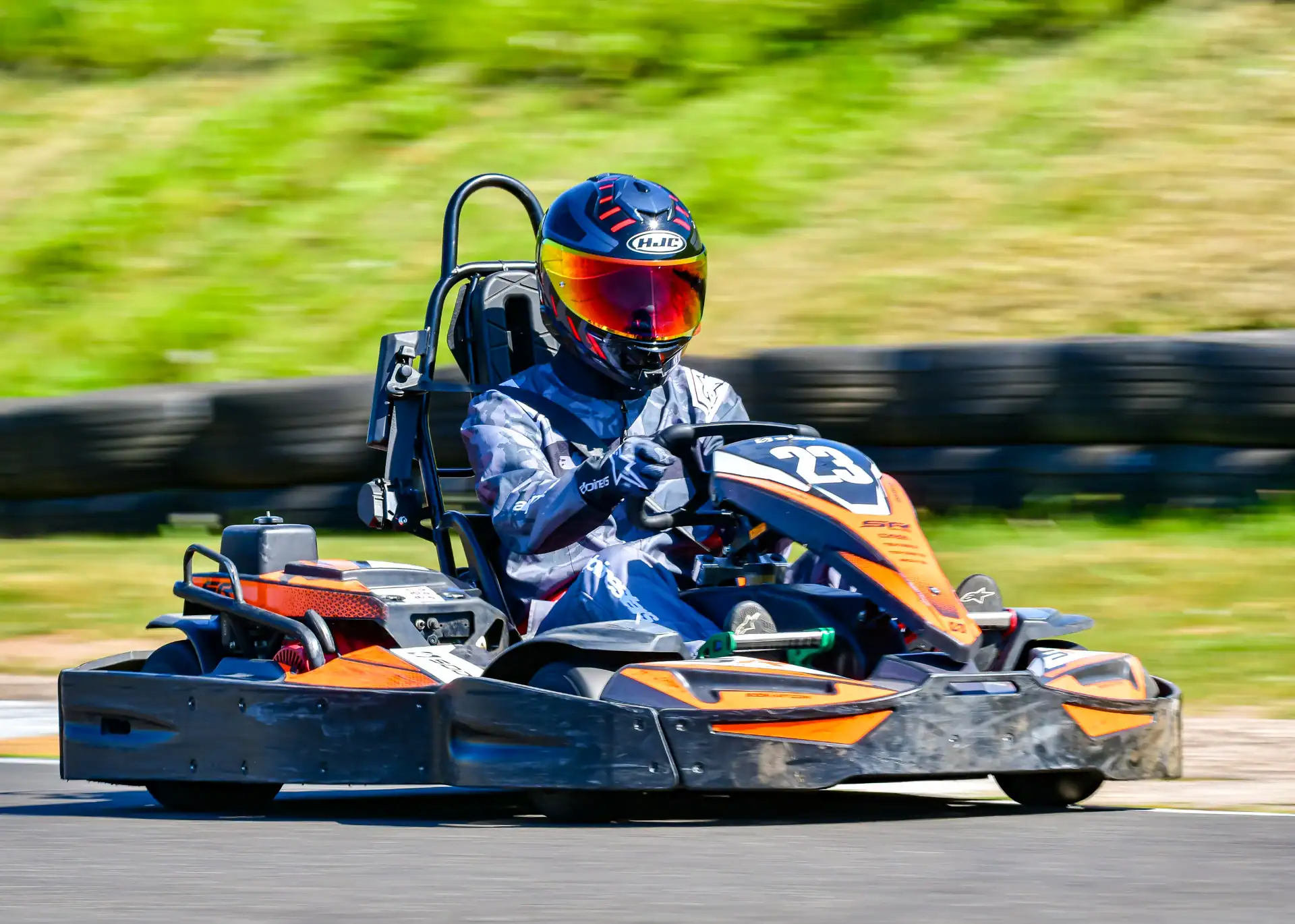
Breaking all previous records, the EDKA delivered an intensive schedule of eight major events throughout the year. This unprecedented level of activity reflected both the organisation’s operational strength and the growing appetite within the community for competitive deaf motorsport. The expanded calendar included the EDKA League Series for consistent championship racing, the Winter Open, and the flagship English Open.
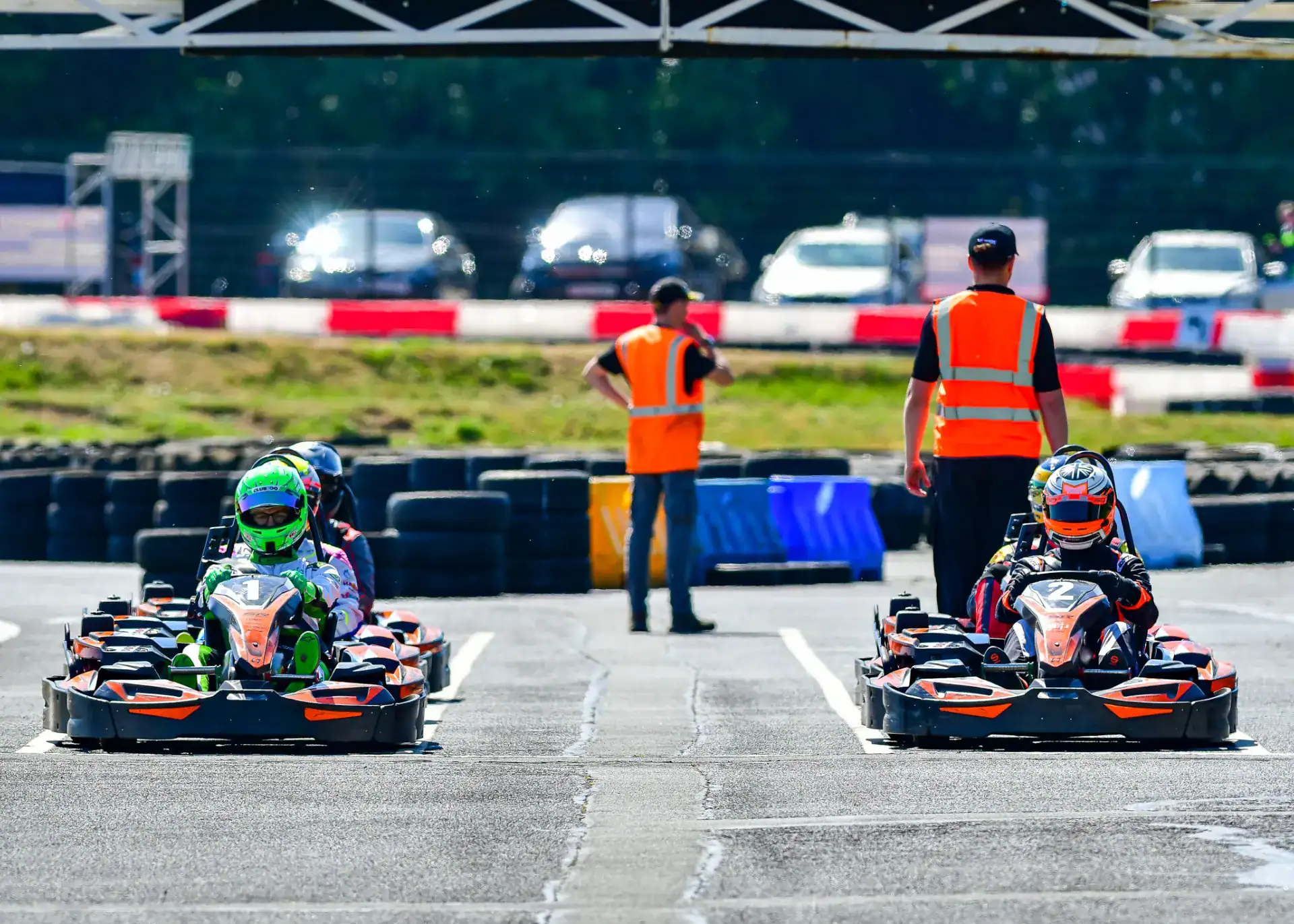
The Association also competed in the British 24 Hour Race and the European Championship. All events were well attended, with consistently strong participation throughout the season, reflecting the continued growth and popularity of the sport.
The organisation’s development was further highlighted by the fielding of three separate 24-hour endurance teams. This expansion enabled more drivers than ever to gain experience in high-pressure, long-distance racing, helping build a deeper, more competitive talent pool within the Association.
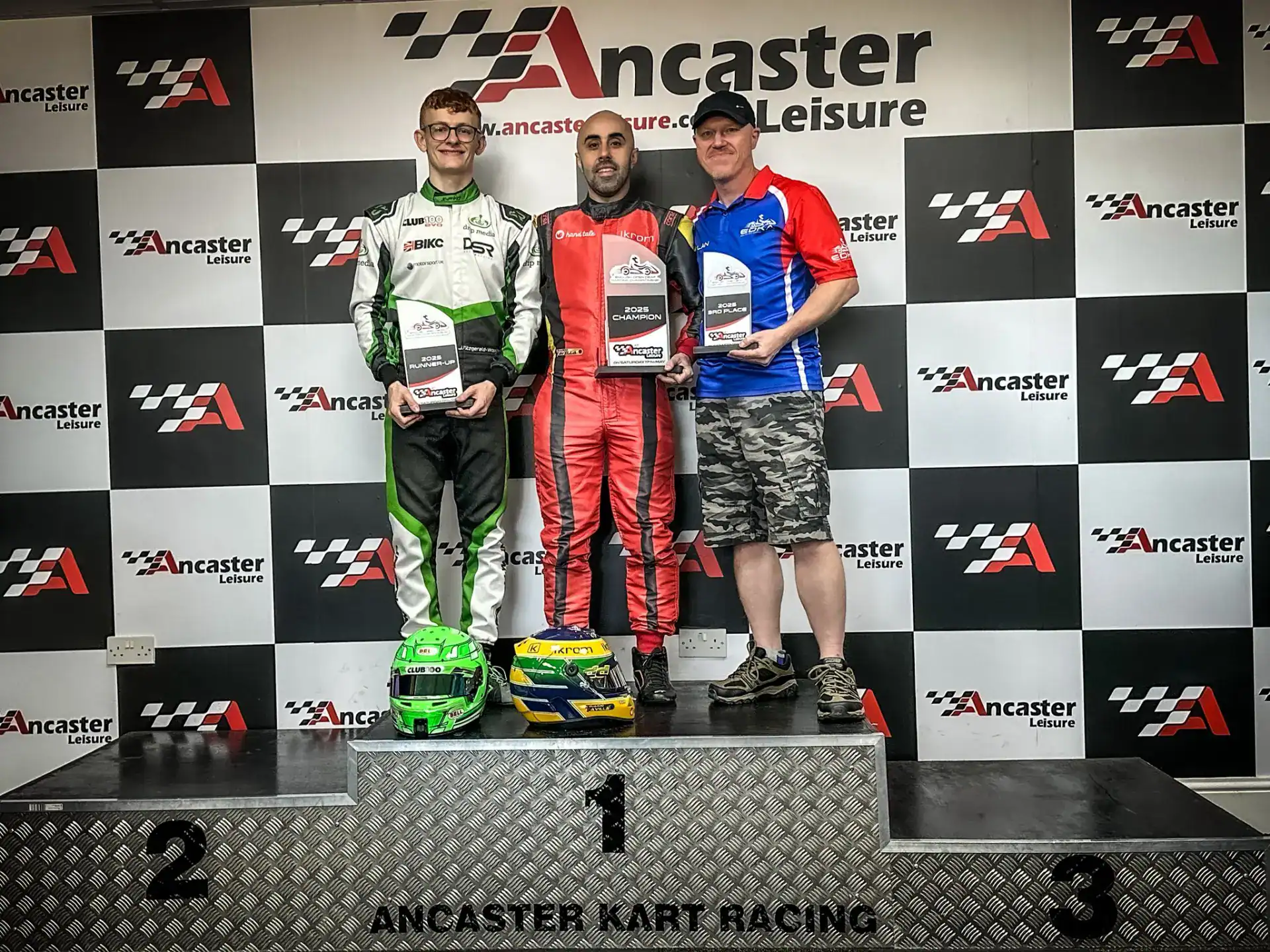
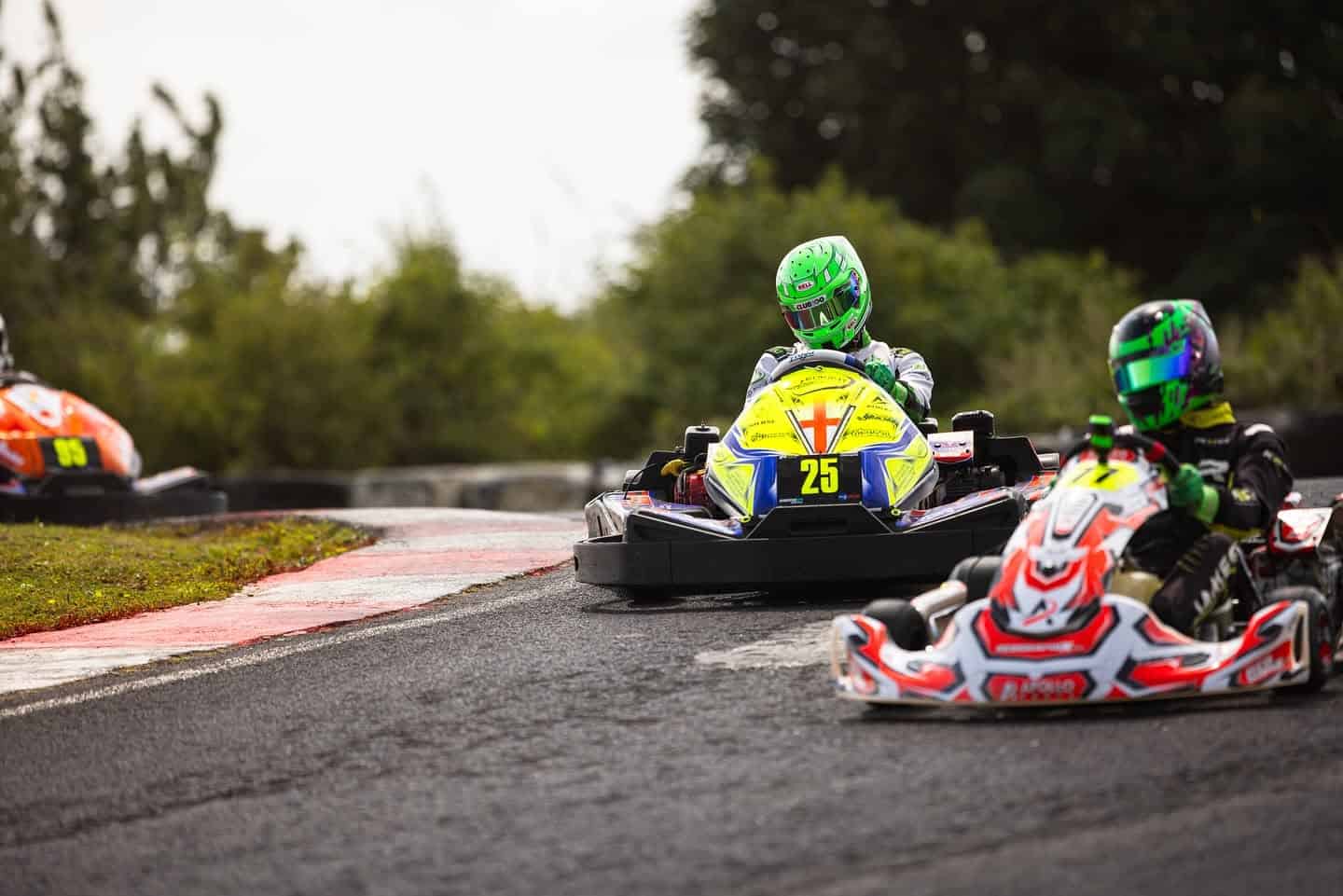
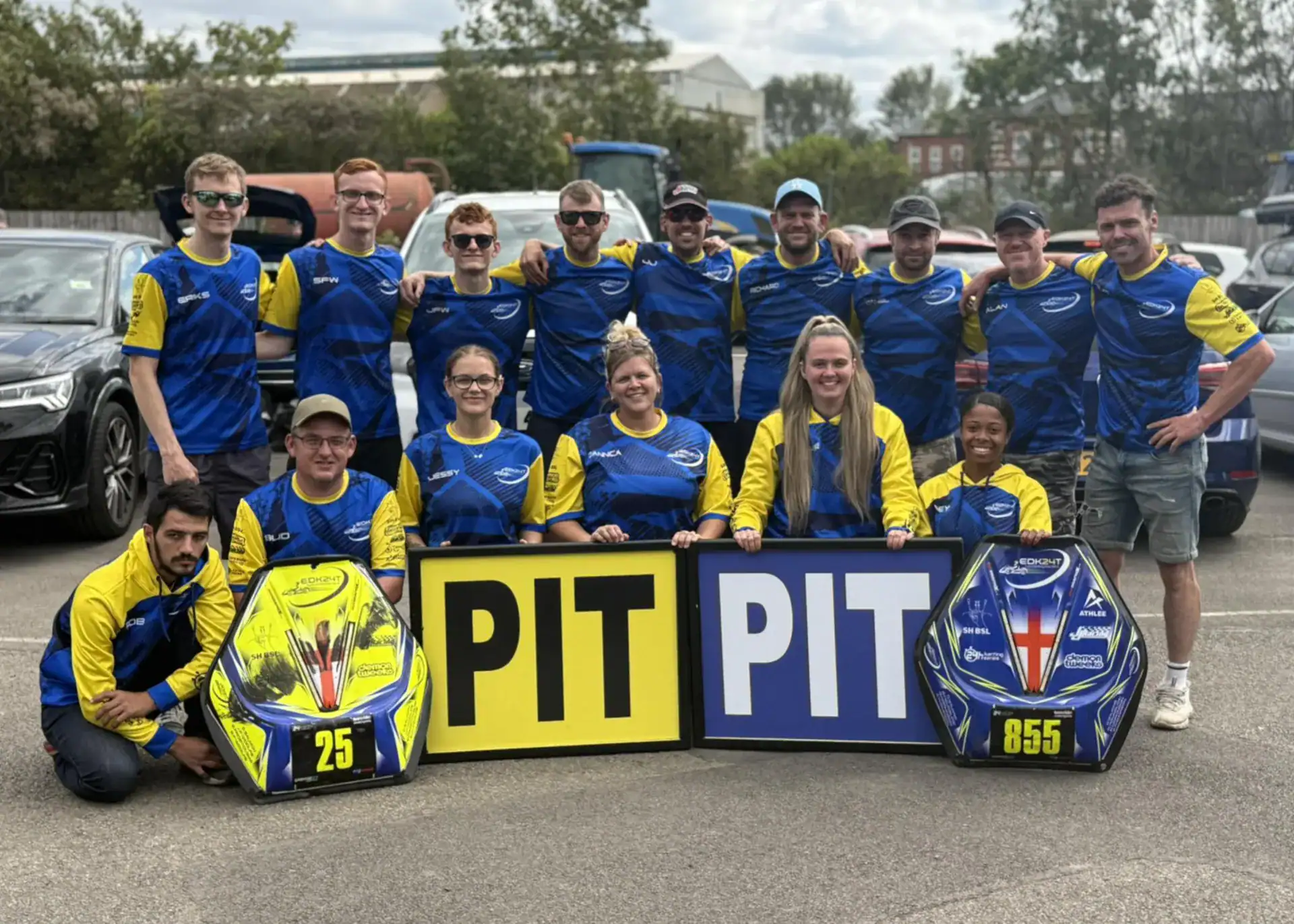
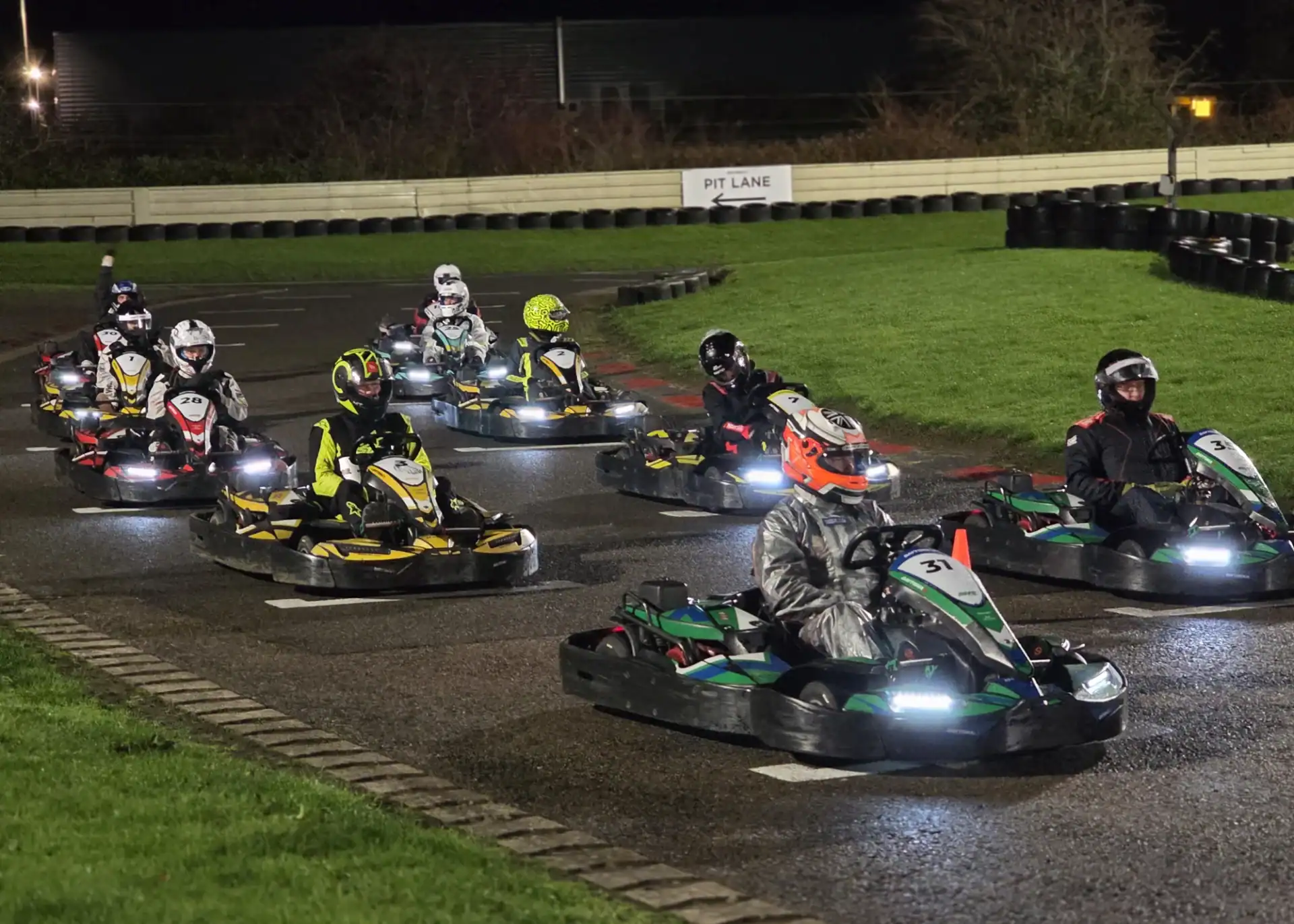
At the British 24 Hour Race, England Deaf Karting entered two teams: the Blue Team and the Yellow Team, competing in the Hire Class categories. Both teams faced significant challenges throughout the event, with mechanical issues and kart reliability problems affecting performance for the full 24 hours.
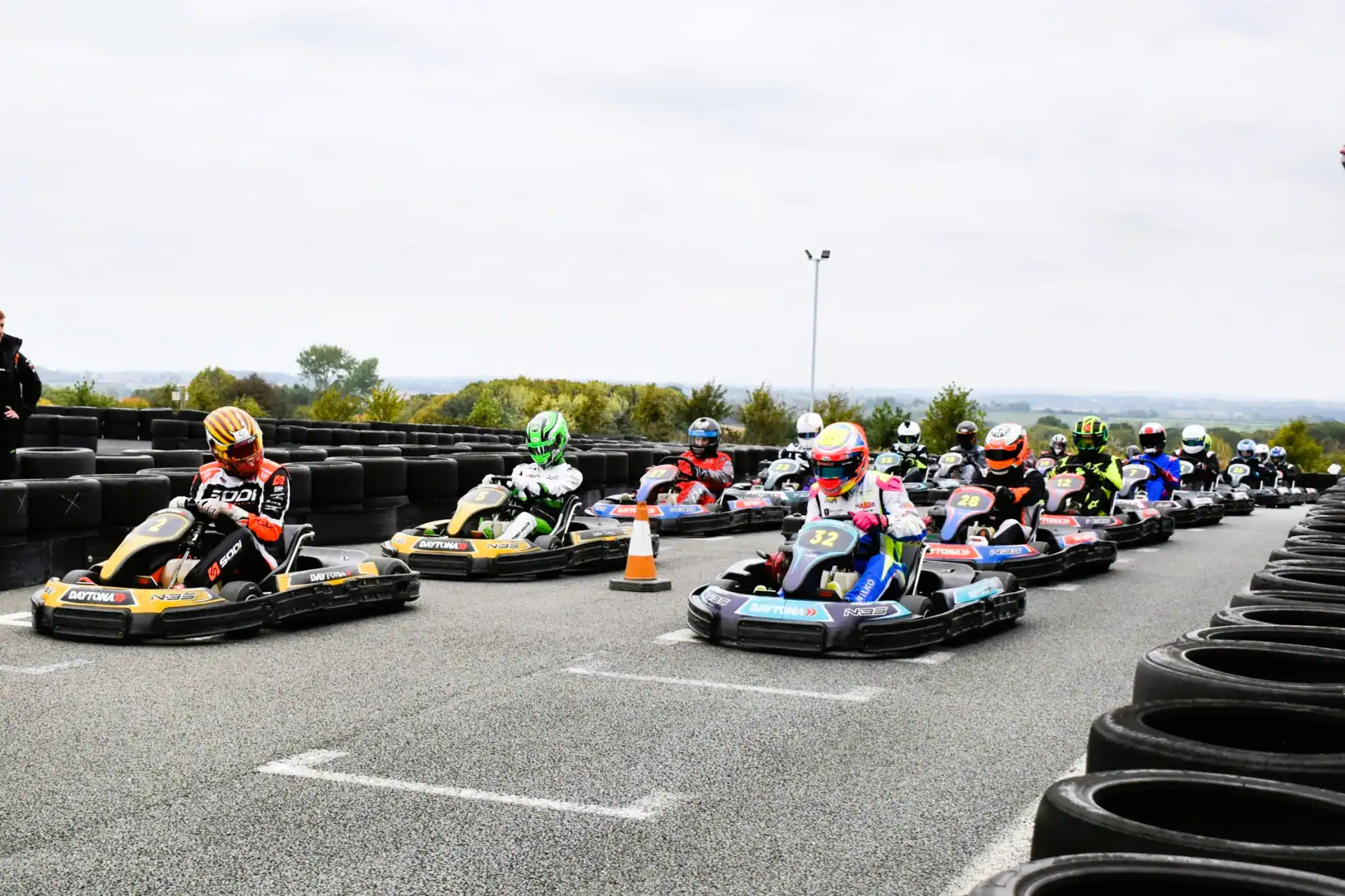
Despite these setbacks, the Blue Team delivered a determined performance, finishing 9th in the Elite category and 22nd overall in the Hire Kart class. The Yellow Team competed in the Rookie category and secured 10th place, finishing 45th overall in the Hire Class standings. While the results did not reflect the teams’ full potential, both entries demonstrated resilience and provided valuable experience under demanding endurance conditions.
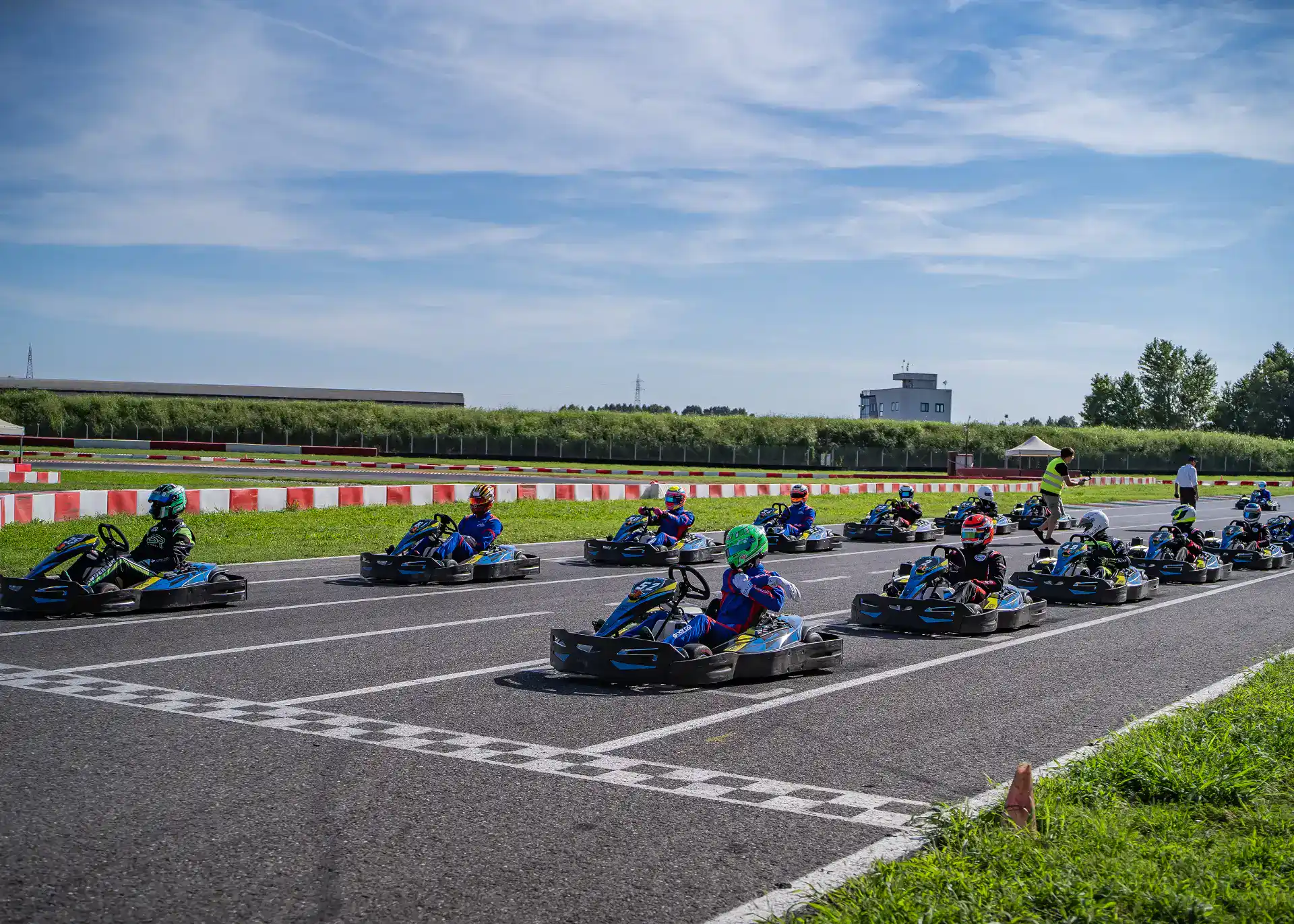
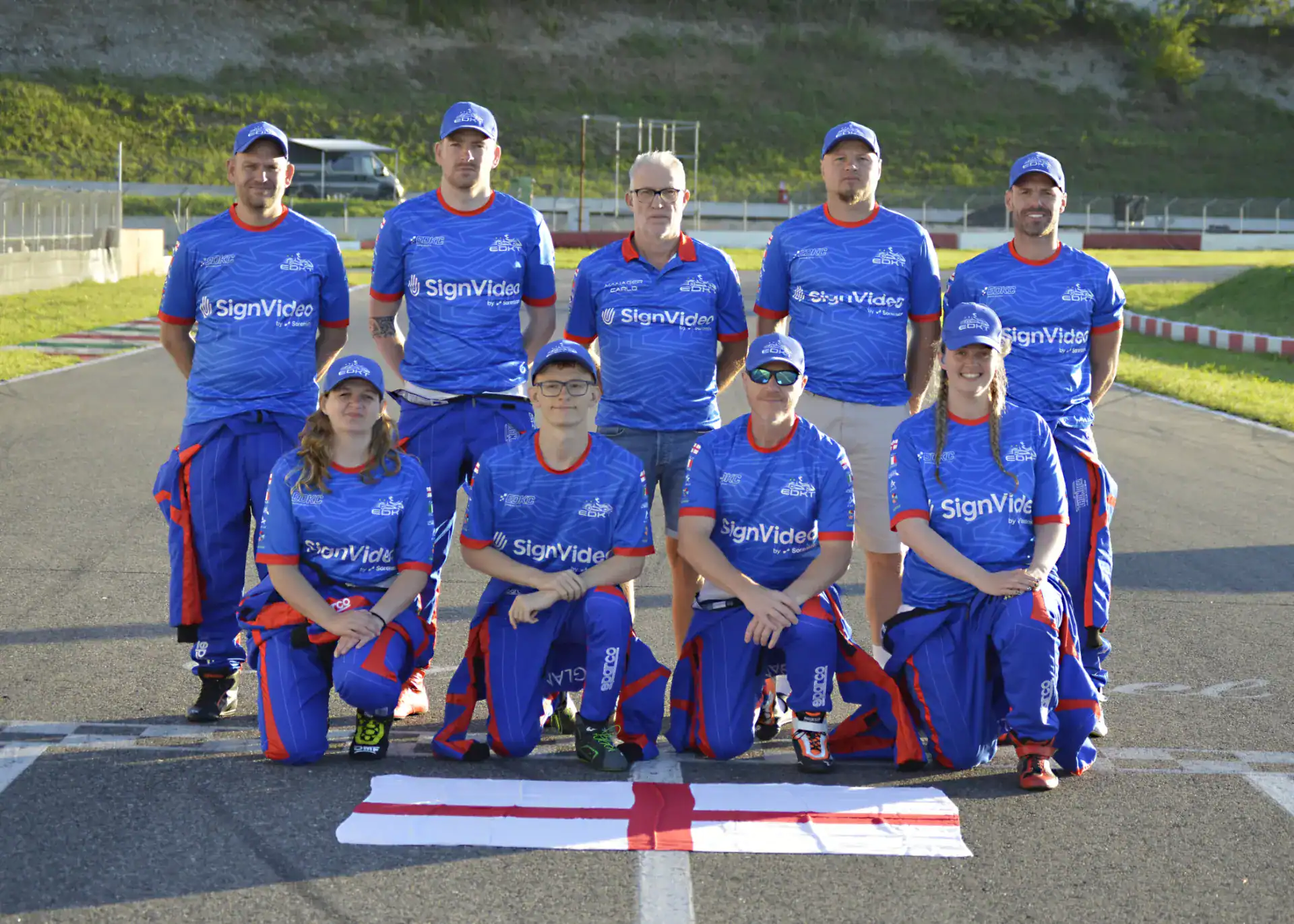
Under the management of Carlo Hunter, the England Deaf Karting Team was selected as one of its strongest squads since its formation in 2005 to compete at the European Deaf Karting Championship in Italy. This marked a historic overseas appearance and a major milestone for deaf motorsport in England.
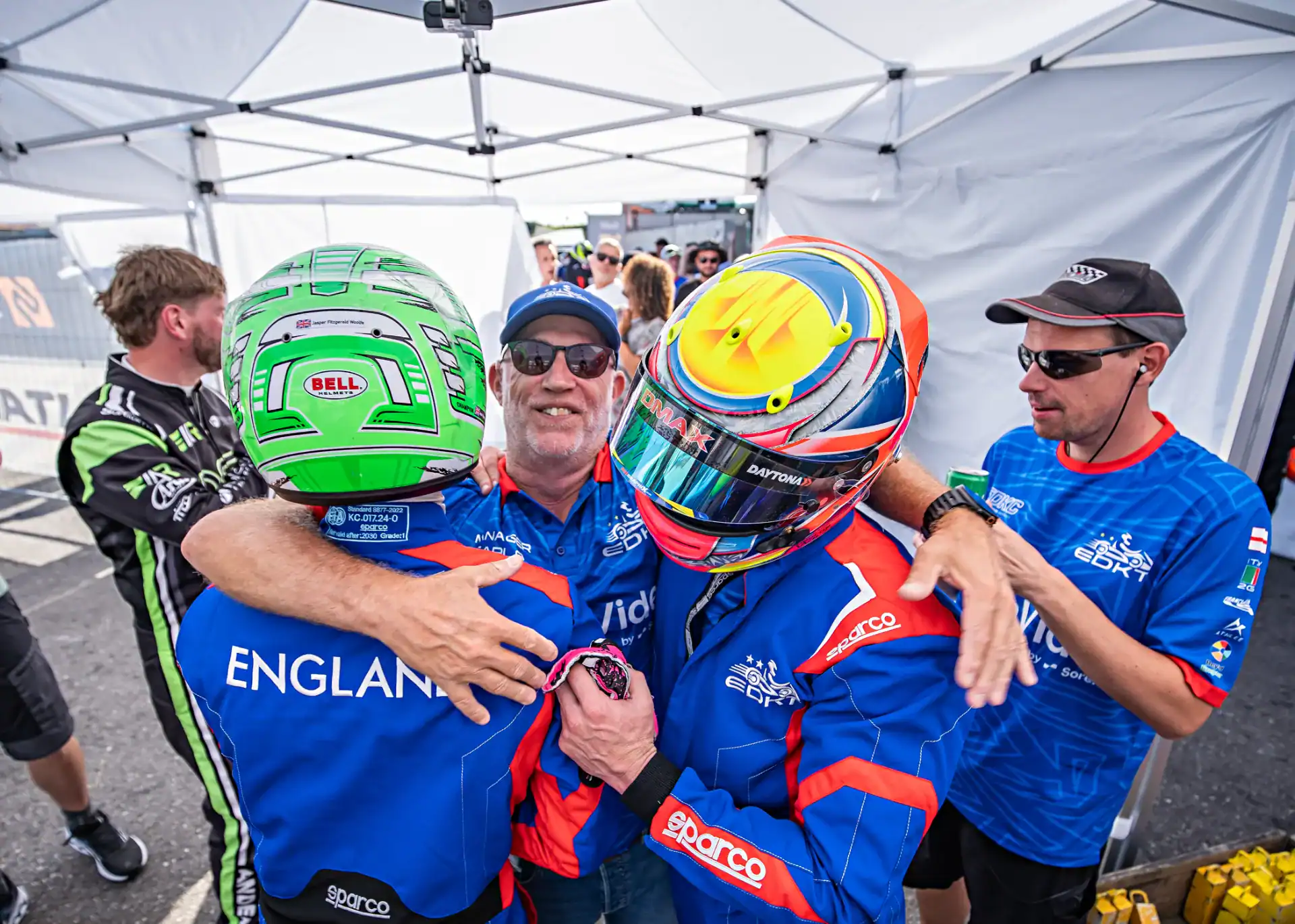
The championship became a defining moment on the international stage. The England Men’s Team delivered an outstanding performance and were crowned European Champions. The Women’s Team also achieved an excellent result, finishing 2nd overall. Combined results secured England the Nations Team Championship title, marking the first time in the organisation’s history that this achievement had been secured overseas.
Building on this historic success, 2025 represented a further period of growth and consolidation for the England Deaf Karting Association. Under Alan Thompson’s leadership, the organisation continued to expand and professionalise, strengthening its structure and significantly increasing its competitive calendar.
Alan Thompson’s influence also extended beyond the United Kingdom, reinforcing EDKA’s growing international presence within the sport. This was reflected in the organisation’s continued development, increased recognition, and strengthening position within European deaf motorsport. His leadership contributed to raising the profile of the Association both on and off track, supporting its progression into a more structured, professional, and widely respected organisation.

The success in Italy reflected the long-term development of the team since its formation in 2005 and confirmed England’s position as a leading force in European deaf motorsport. It also reinforced the impact of the organisation’s progress in 2025, as stronger leadership, improved structure, and increased participation helped elevate performance on the international stage.
At the national level, 2025 also marked the full professionalisation of the committee structure. Alan introduced a significantly strengthened leadership team, bringing a more diverse and modern governance model. The new structure included Reuben Litherland as Secretary, Matthew Parker as Treasurer, and Dannica Trendell as Vice-Chairperson, who became the first woman ever to hold this position within the organisation. This reform improved governance, balance, and accountability across the Association.
For the first time in over 20 years, all committee members completed DBS checks, establishing a strengthened safeguarding framework. Alan also introduced comprehensive governance reforms, including a new constitution and a modernised Code of Conduct. These changes ensured that the organisation’s internal standards matched its world-class on-track performance and secured a sustainable future for the next generation of deaf drivers.