
Mark Dobson officially stepped down from his role as chairperson at the end of the previous year, bringing his tenure to a close. Following his departure, Carlo Hunter took over as temporary chairperson for one year during a transitional period. The leadership change took place at short notice, but Carlo remained determined to ensure the continuation of the England Deaf Karting Team and prevent the organisation from declining during a challenging period.
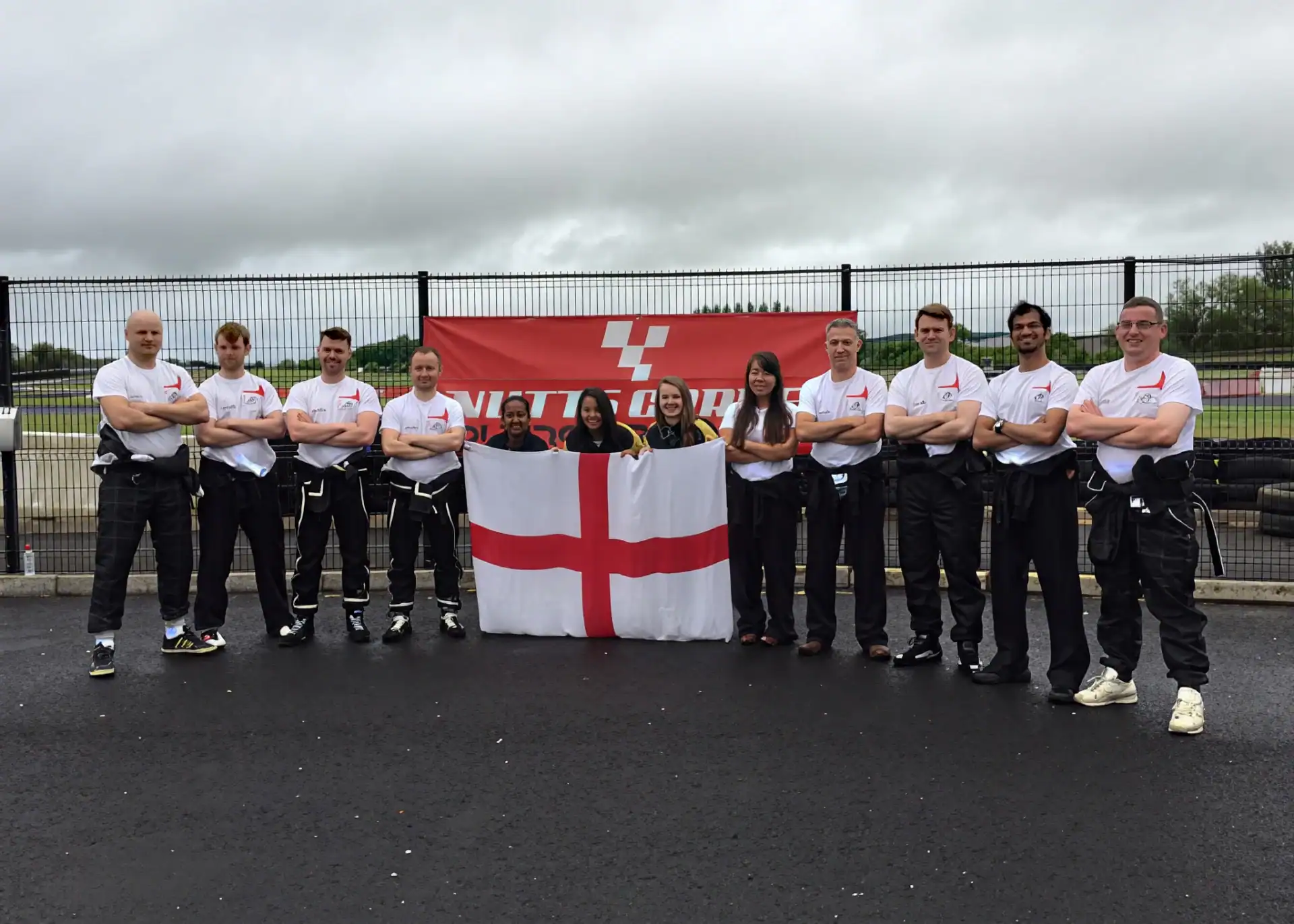
Despite the difficulties, Carlo continued to move the organisation forward and maintained a full programme of events throughout the year, including the Winter Open, the English Open, and the European Championship campaign.
The Winter Open Deaf Karting Championship was hosted in Speedkarting Warrington for the first time and was considered a successful event. It attracted strong participation and helped maintain momentum in the domestic indoor racing calendar, marking its second indoor edition.
Later in the year, the English Open Deaf Karting Championship returned to Daytona Milton Keynes for the fifth time since 2005. The event achieved strong attendance and continued to serve as one of the organisation’s key national competitions, helping to identify drivers for international selection and maintaining engagement within the deaf karting community.
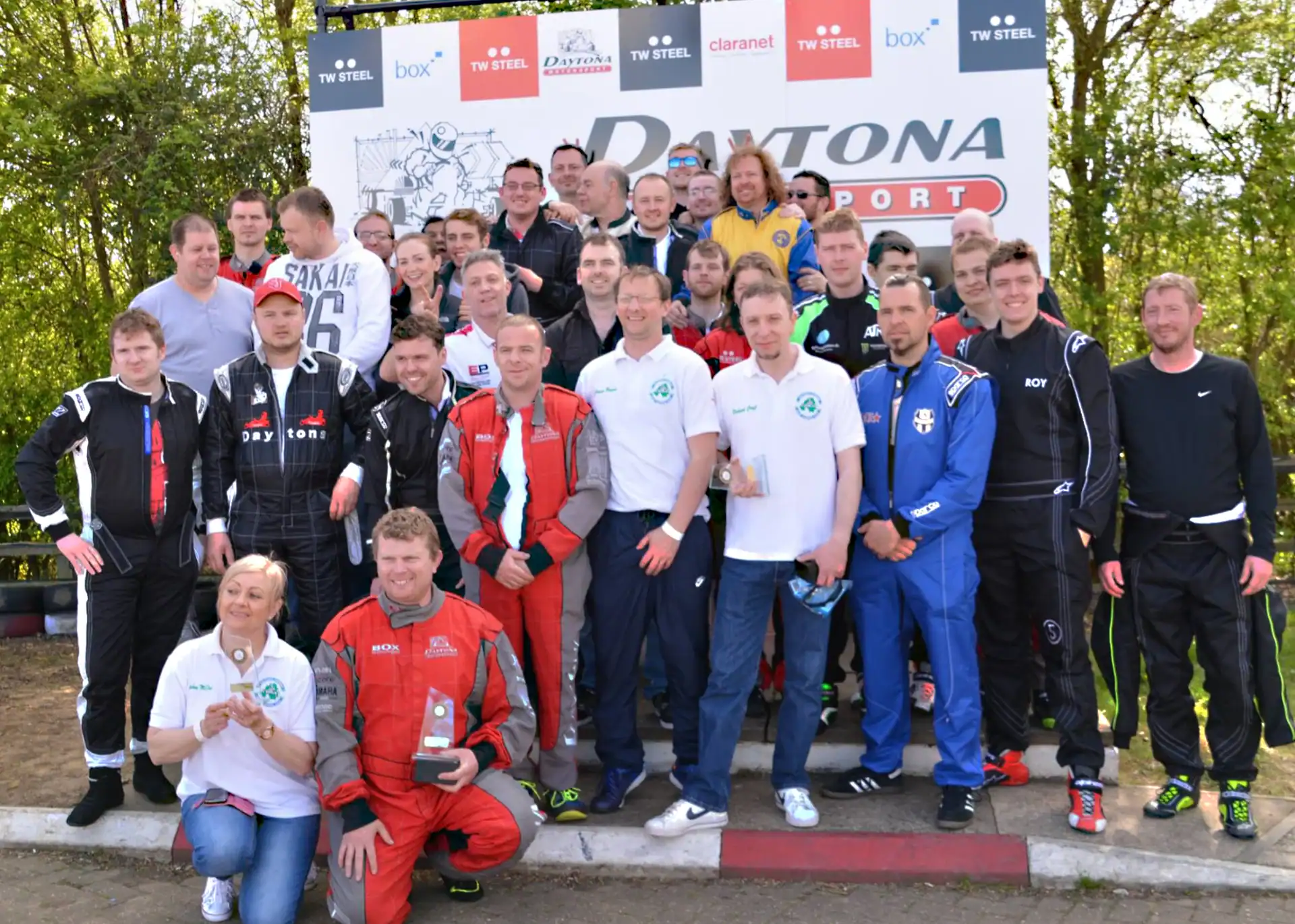
Carlo Hunter and Christopher Heppenstall later selected a squad of 12 drivers to represent England at the European Deaf Karting Association Championship held in Northern Ireland. For this event, the championship introduced a new format allowing both Team A and Team B entries. England therefore fielded two equal squads, each consisting of 4 men and 2 women. This structure was introduced to increase participation, provide more drivers with international racing experience, and assess squad depth under championship conditions.
However, the championship proved to be a challenging event for the team. England ultimately finished in 7th place overall, marking their lowest European Championship finish since 2005. The result was a significant disappointment, as several drivers appeared unsure of the competition format and system throughout the event, which affected overall performance. It also highlighted clear issues with both the structure of the championship and the team’s preparation.
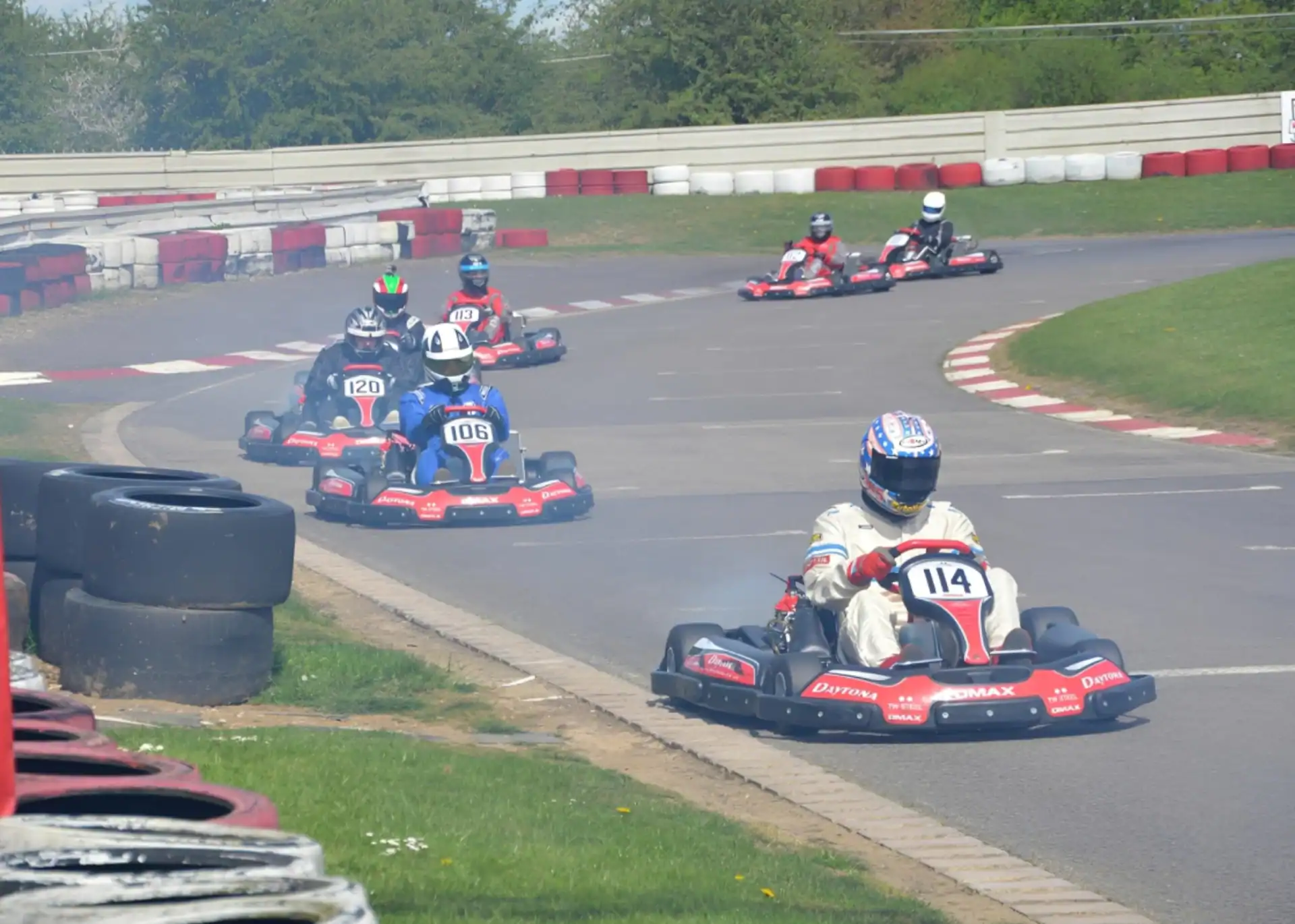
Throughout the event, this lack of clarity created difficulties in adapting to race procedures and understanding the progression system, which further impacted consistency on track. As a result, England was unable to deliver their usual competitive standard across the rounds.
Despite the result, the experience became an important learning point for the organisation. Lessons were taken from the championship, and the difficulties faced reinforced the need for improvements to ensure similar issues would not be repeated in future years.