
EDKA changed following the resignation of chairperson Mark Dobson, who stepped down due to personal circumstances. Following this, Carlo Hunter took over as temporary chairperson to ensure continuity within the organisation during a period of transition.
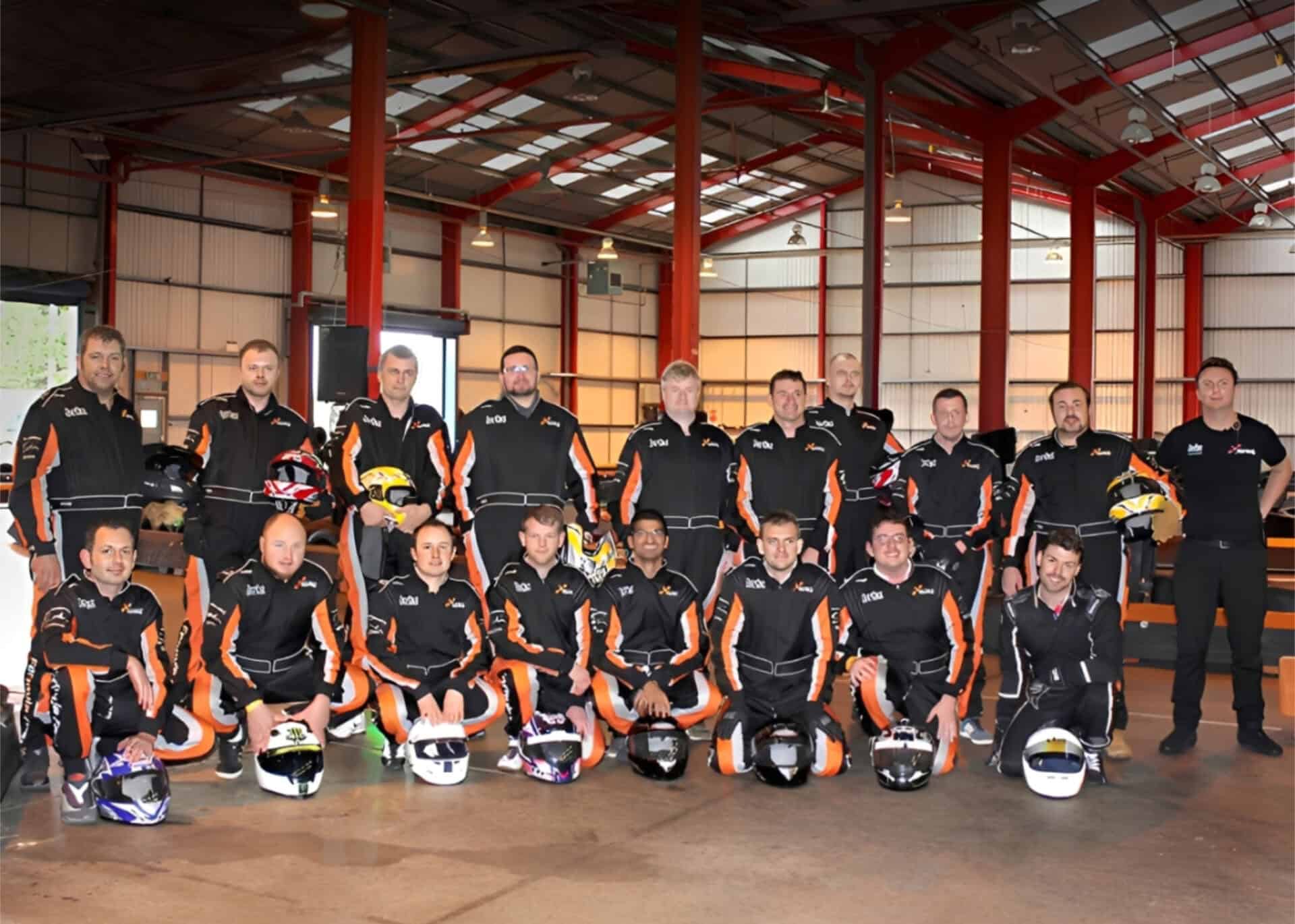
Under new leadership, the organisation expanded its domestic calendar with the introduction of two major events. The Winter Open Deaf Karting Championship was hosted indoors at Formula Fast in Milton Keynes for the first time, marking the organisation’s first structured indoor racing format. This expansion added a new dimension to the competition structure and provided additional opportunities for participation during the winter period.

In addition, the English Open Deaf Karting Championship was held at Buckmore Park for the first time. This represented another significant step in strengthening the domestic racing programme and further established Buckmore Park as a key venue within English deaf karting.
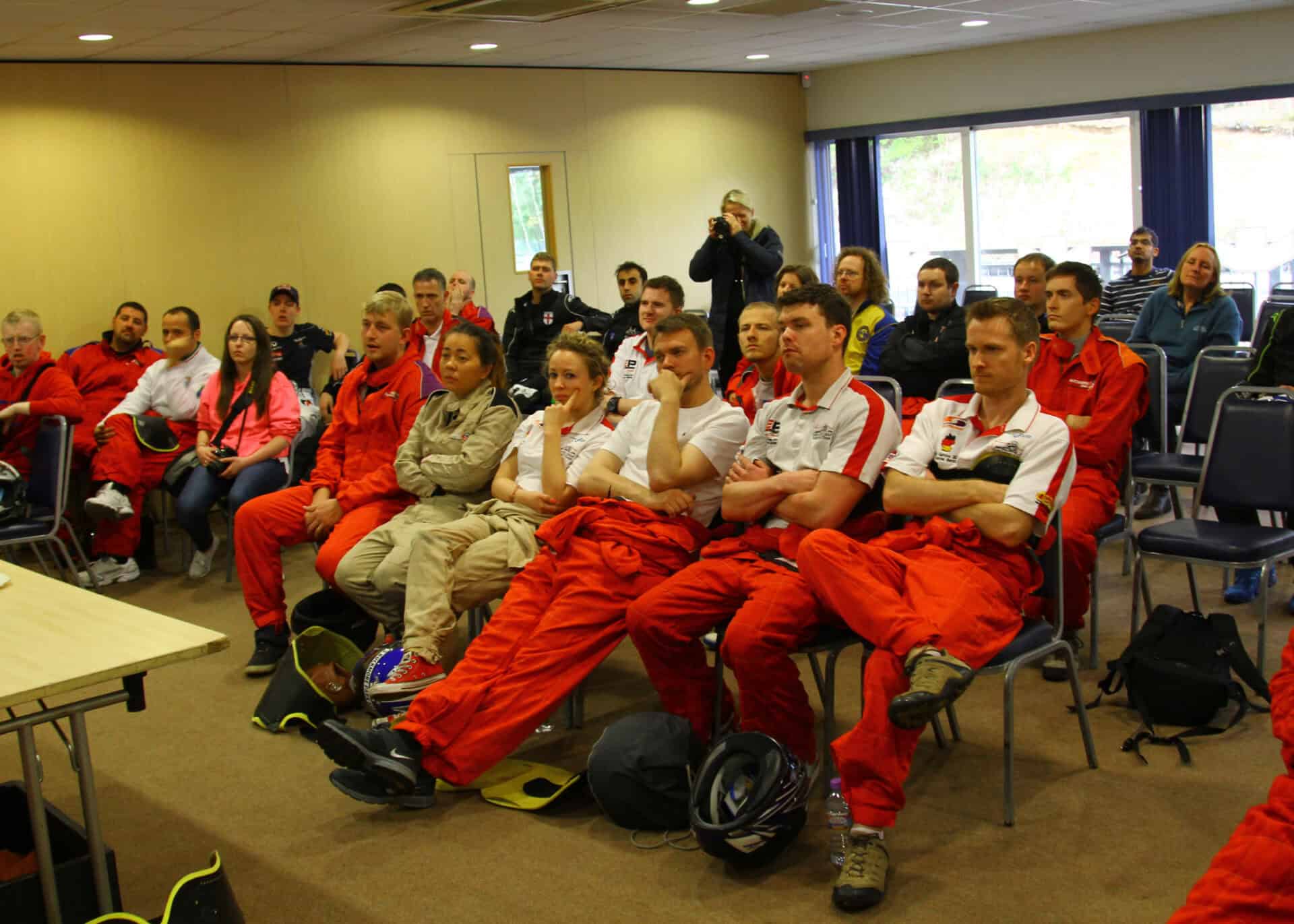
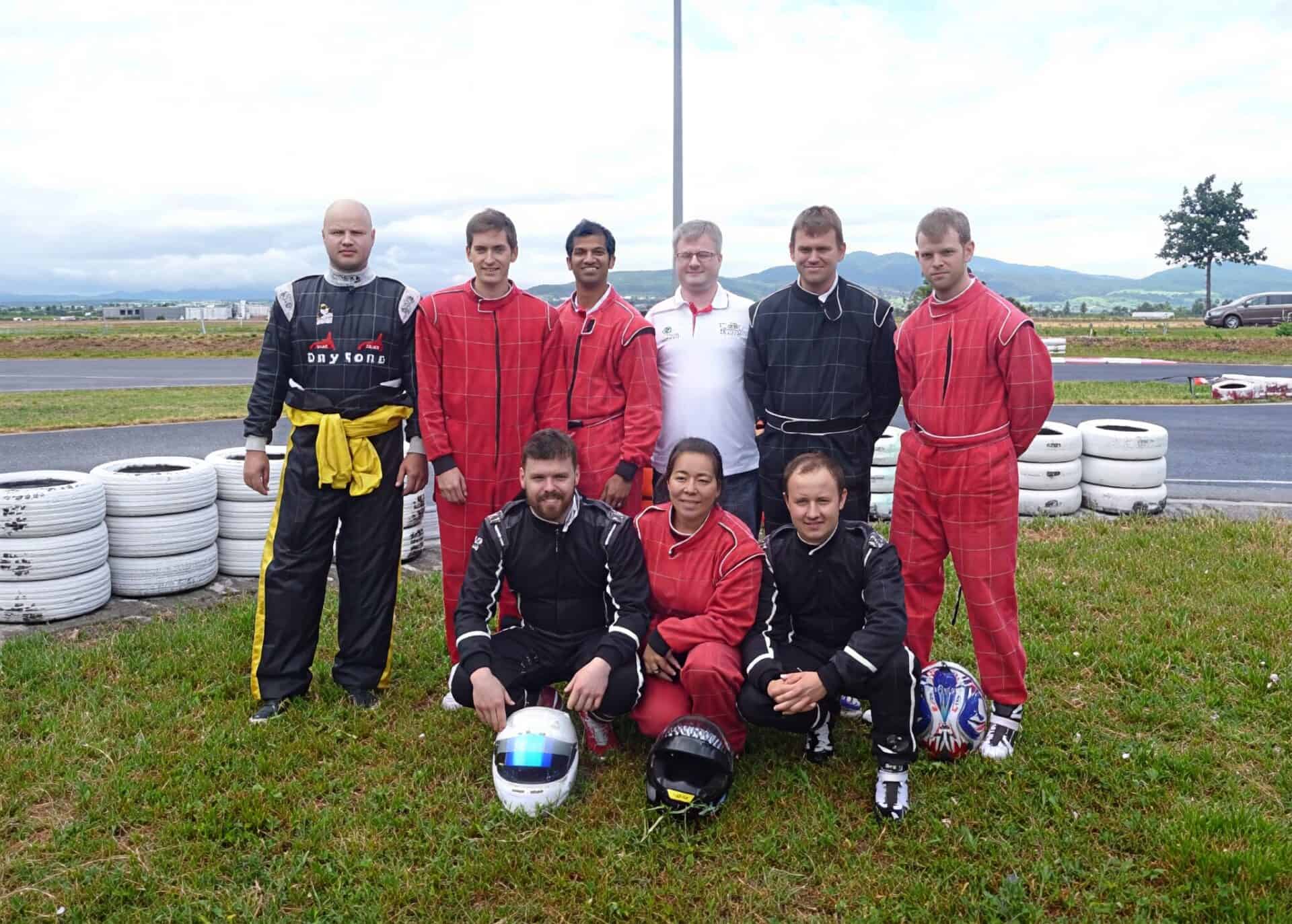
Later in the year, a squad of 8 drivers, consisting of 7 men and 1 woman, was selected to represent England at the European Deaf Karting Association Championship held in Austria, which also hosted the event for the first time. The selection was made under the direction of the new leadership team and reflected continued efforts to maintain a strong and competitive national squad.
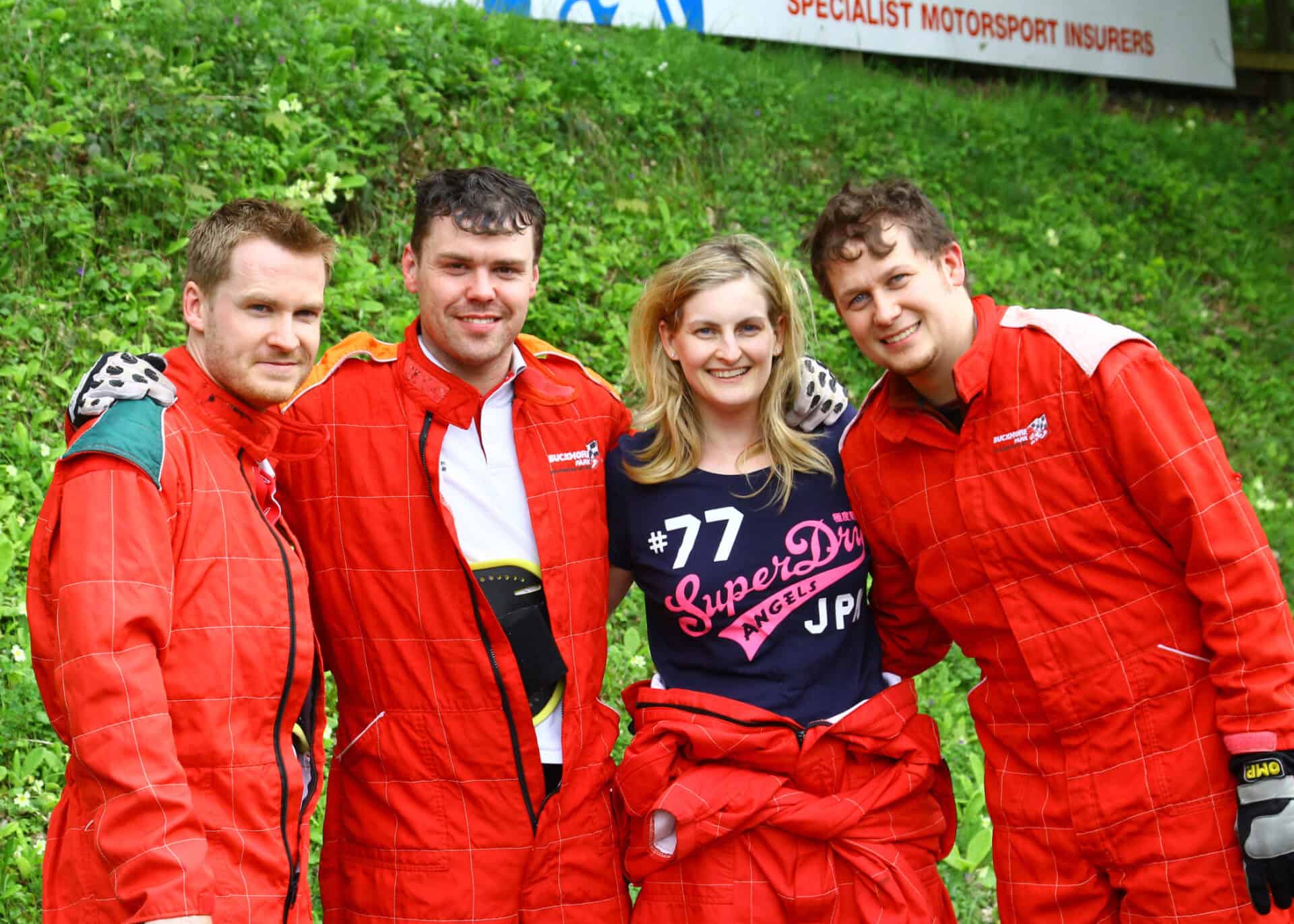
The championship once again featured a strong rivalry between England and Germany. Throughout the event, both nations competed closely at the front of the field, continuing a consistent pattern of competition at the European level. Despite a strong and consistent performance from England, Germany secured the championship title.
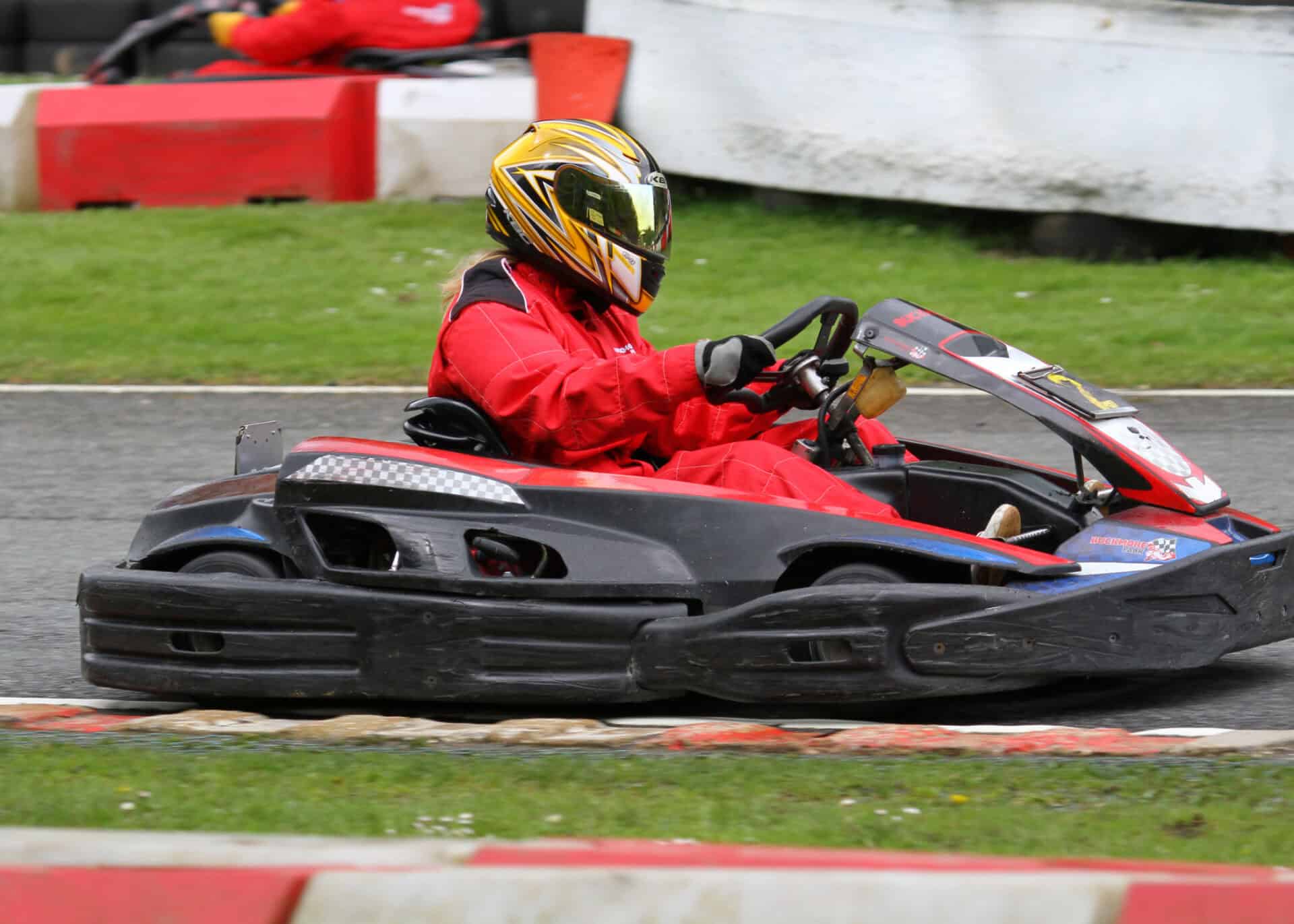
England finished in second place for the third consecutive year, maintaining their position as the primary challenger but narrowly missing out on the championship victory once again. The result reinforced the ongoing rivalry between the two nations and demonstrated England’s continued consistency at the international level.
Towards the end of the year, Carlo Hunter assumed temporary leadership to ensure continuity within the organisation during a transitional period. This appointment was short-term, providing stability while further leadership arrangements were considered.