
Christopher Heppenstall continued in his role as Chairperson of the England Deaf Karting Team committee for a fifth consecutive year since taking leadership in 2008. The organisation experienced slow but steady progress during this period, operating at a similar level to previous years with limited expansion, while continuing to focus on maintaining its core competitive events, organisational stability, and support for deaf drivers across the country.
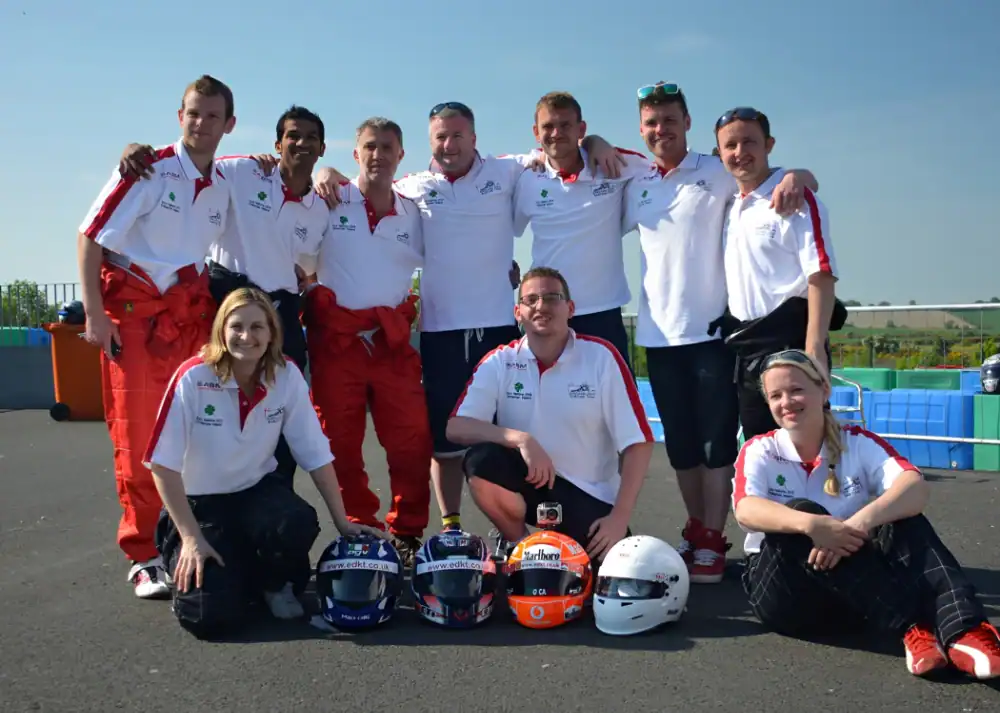
The English Open Deaf Karting Championship was hosted at EP Race Circuit in Suffolk for the first time, marking an important milestone for the organisation and its domestic racing calendar. The event provided an opportunity to further develop the competition structure, strengthen event organisation, and improve participation within England. It also helped establish EP Race Circuit as a recognised venue within the national deaf karting calendar.
Although growth remained gradual, the organisation continued to benefit from the use of Facebook and social media platforms to promote events, communicate updates, and engage with the deaf community. These efforts helped maintain interest in the sport and encouraged both returning and newer drivers to remain involved within the England setup.
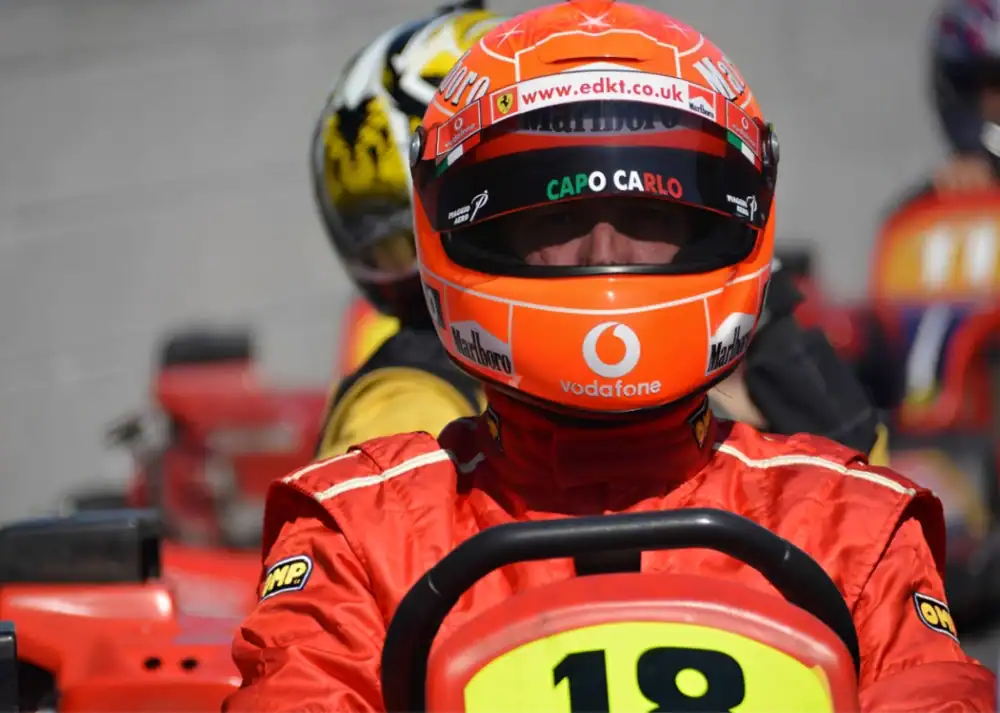
Later that year, Chris selected an 11-driver England Deaf Karting Team squad, consisting of 9 men and 2 women, to compete at the European Nations Deaf Karting Association Championship, which was held in the Republic of Ireland for the first time. The selection process reflected the organisation’s continued commitment to maintaining a competitive national team despite the slower overall development taking place behind the scenes.
The championship once again highlighted the growing rivalry between England and Germany. Racing throughout the event was highly competitive, with both nations consistently battling at the front across practice, qualifying, and race sessions. The standard of competition continued to rise, pushing drivers and teams to perform at increasingly professional levels.
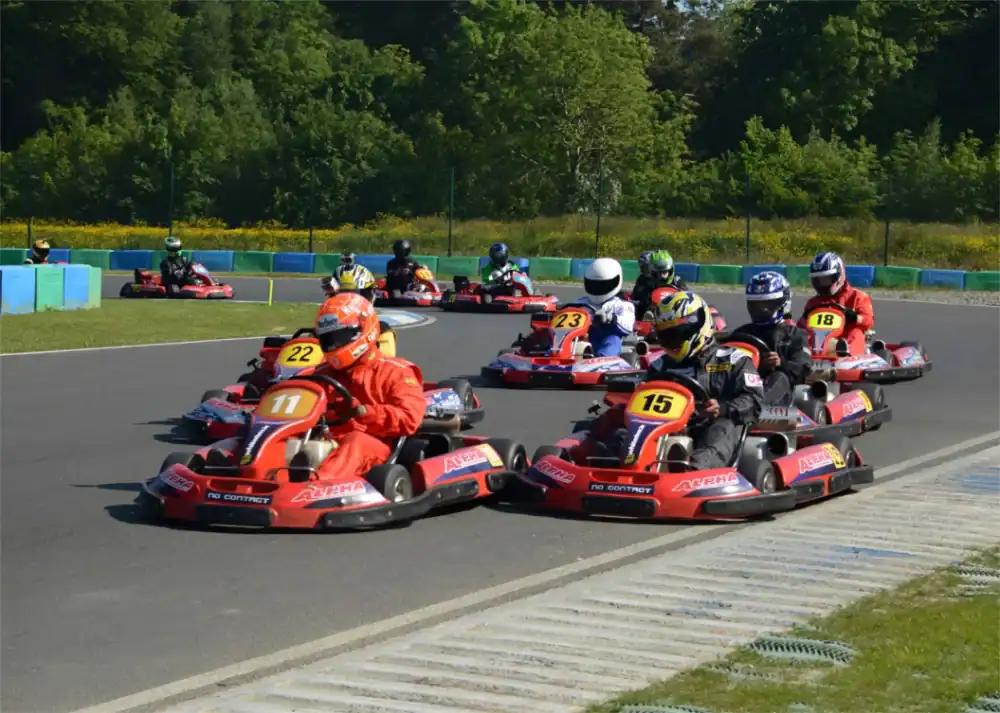
Despite England delivering a strong and consistent performance throughout the championship, Germany secured the overall title. England finished in second place overall for the second consecutive year, continuing to challenge strongly but ultimately falling just short of reclaiming the European crown.
Although disappointment remained at narrowly missing out on the championship, the result reinforced England’s consistency and competitiveness at the European level. It also further strengthened the rivalry between England and Germany, which had become one of the defining storylines within European deaf karting during this era.